Lenoir, NC · Caldwell County
Water-Damaged Flooring Removal in Lenoir, NCVinyl Floor Water Damage & Wet Carpet Removal
Water-Damaged Flooring Removal in Lenoir addresses wet carpet removal, hardwood floor water damage and laminate flooring removal.
Answered 24/7
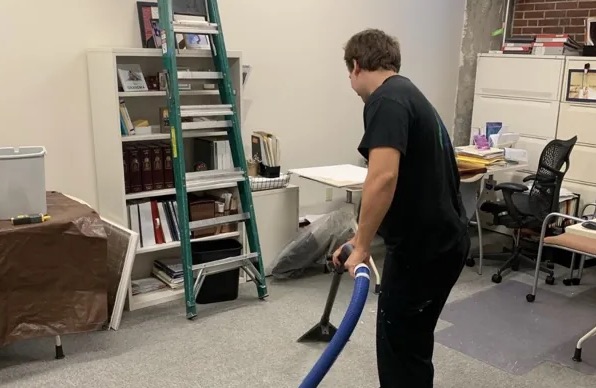
Local Water-Damaged Flooring Removal Solutions in Lenoir
Removing water-damaged flooring in homes throughout the Lenoir area, prevents structural decay under the surface. Without it, water keeps soaking into subfloors and causes warping and buckling.
When disaster strikes, Lenoir residents need reliable emergency extraction. Water damage pros dry subfloors and check moisture thoroughly to protect property value in Lenoir and nearby towns.
Water-Damaged Flooring Removal for Properties in Lenoir
Vinyl Floor Water Damage
Even waterproof vinyl can trap water underneath, so pros remove it in the wet area and dry.
Wet Carpet Removal
Soggy carpet starts to smell quickly, so pros remove it and the pad and dry the floor underneath.
Subfloor Drying Services
After flooring is removed, air movers and dehumidifiers draw moisture out of the wood or concrete.
Laminate Flooring Removal
Laminate swells and cannot be dried well, so pros remove wet planks before damage spreads to nearby boards.
Emergency Floor Water Extraction
In Lenoir, pros extract water first to keep it from moving under walls or into other rooms.
Warning Signs You Need Water-Damaged Flooring Removal
Water Pooling Under Carpet
Carpet that squishes when you step on it has water trapped in the pad below.
Warping or Cupping Hardwood
Wood planks that curl at the edges or buckle in the middle have water trapped underneath them.
Laminate Flooring Edge Swelling
Swollen laminate edges are a clear sign the planks have absorbed water.
Soft or Spongy Floor Sections
Soft or spongy spots underfoot point to water damage in the subfloor below the finish.
How Water-Damaged Flooring Removal Works in Lenoir
Step 1: Initial Assessment and Plan
Pros check the flooring type, water source and damage to plan removal and drying.
Step 2: Floor Water Extraction
Powerful vacuums extract standing water from surfaces and the layers beneath them.
Step 3: Damaged Flooring Demolition
Cupped hardwood, loose tile and other ruined materials are removed from the site.
Step 4: Achieve Dryness Standards
Drying continues until the subfloor and nearby materials meet accepted dry standards.
What Leads to Water-Damaged Flooring Removal Needs in Lenoir
Roof Leaks During Storms
Rain through a damaged roof often runs down walls and pools on upper floors.
HVAC Condensate Drain Clogs
A clogged AC drain line can overflow and drip onto floors for weeks unnoticed.
Foundation or Slab Leaks
Cracks in a foundation or slab let groundwater seep up into the flooring above.
Plumbing Fixture Failures
Leaky supply lines under sinks, toilet overflows or failed valves soak nearby flooring.
Water-Damaged Flooring Removal for All Properties in Lenoir
Residential Water-Damaged Flooring Removal
In houses, subfloor drying after flooring removal brings wood moisture to safe levels before new floors go in.
Commercial Water-Damaged Flooring Removal
After-hours floods in stores or warehouses need slick, soaked flooring removed quickly and the damage documented for the insurer.
Professional Water-Damaged Flooring Removal or DIY Repair in Lenoir
For a small fresh spill, blot water from hardwood, laminate or tile with towels and lift rug corners to air them. If there is standing water or the floor feels spongy, contact the pros.
Cost Considerations for Water-Damaged Flooring Removal in Lenoir
Contaminated water, such as from a sewer backup, and emergency containment needs raise the price and safety steps.
Affected Square Footage
Larger wet areas need more labor time, hauling and disposal for the job.
Post-Removal Services
Final moisture checks and site preparation for new flooring add to the total.
Subfloor Condition
A wet subfloor needs its own drying, which adds days and equipment to the job.
Does Insurance Cover Water-Damaged Flooring Removal?
For tile or carpet damage, your insurer decides coverage from your policy's water damage terms. Pros supply the evidence for the claim.
Benefits of Hiring Flooring Restoration Experts in Lenoir for Water-Damaged Flooring Removal
Containment and Safety
Containment controls dust and debris during removal, protecting clean rooms in the house.
Advanced Moisture Detection
Moisture meters find wetness under materials and behind walls that a visual check misses.
IICRC-Standard Drying Methods
Drying follows accepted industry methods so subfloors and nearby materials are fully dried.
Emergency Water-Damaged Flooring Removal Response in Lenoir, NC
If an appliance leak has soaked your hardwood, call the experts at (336) 594-2415. Starting drying quickly gives the boards a much better chance of being saved.
Call Now (336) 594-2415Water-Damaged Flooring Removal in Lenoir and Other Areas Served
Help with water-damaged flooring removal is available across Lenoir, including wet carpet removal and hardwood floor water damage.
- Water-Damaged Flooring Removal in Asheboro
- Water-Damaged Flooring Removal in Belmont
- Water-Damaged Flooring Removal in Boone
- Water-Damaged Flooring Removal in Charlotte
- Water-Damaged Flooring Removal in Clemmons
- Water-Damaged Flooring Removal in Concord
- Water-Damaged Flooring Removal in Cornelius
- Water-Damaged Flooring Removal in Davidson
Water-Damaged Flooring Removal in Lenoir: Your Questions
What tools are used for floor water extraction?
Truck-mounted or portable extractors pull water from carpet and pad before any material is removed.
How long does wet floor removal typically take?
It depends on the area and material, but many removals can be done in a single day.
How quickly should wet carpet removal begin?
As soon as possible, ideally within hours, before stains, odors and subfloor damage set in.
What is the priority during emergency flooring removal?
Stopping the water, extracting it and removing ruined materials so the structure can dry.
Why is a floor moisture inspection critical?
Meters find hidden moisture that can warp materials or cause odors after the flooring is removed.