Greensboro, NC · Guilford County
Fire and Smoke Damage Restoration in Greensboro, NCFirefighting Water Damage Mitigation & Fire Damage Structural Assessment
Fire and Smoke Damage Restoration in Greensboro with fire odor elimination services, emergency board-up services and structural repair.
Answered 24/7
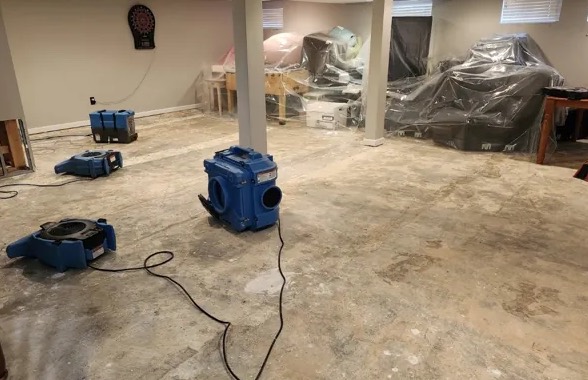
Fire and Smoke Damage Restoration for Greensboro Homes and Businesses
Fire can weaken beams, joists and framing. Those have to be checked, and repaired if needed, before anyone moves back in.
After a fire in Greensboro or nearby Forest Oaks, Pleasant Garden and McLeansville, local fire restoration specialists handle board-up, soot cleanup, odor removal, structural repairs and everything in between.
Fire and Smoke Damage Restoration Services in Greensboro
Firefighting Water Damage Mitigation
Firefighting leaves a lot of water behind. Pros extract it and run dehumidifiers and air movers to dry walls, floors and contents before mold can start.
Fire Damage Structural Assessment
A structural assessment finds fire-weakened walls, beams and floors in Greensboro homes, which sets what has to be repaired before anyone can safely move back in.
Fire Damage Debris Removal
Fire debris has sharp edges and unstable pieces. Pros remove it carefully so soot is not tracked through clean rooms.
Fire Odor Elimination Services
In Greensboro, odor removal runs in steps: clean the residue, seal surfaces that still smell, then treat the air.
Emergency Fire Damage Cleanup
Emergency work covers water removal and initial soot cleanup, around the clock, to limit damage from the start.
Warning Signs You Need Fire and Smoke Damage Restoration
Contaminated Personal Belongings and Contents
A layer of soot on furniture, electronics and other belongings means they need cleaning before use.
Visible Soot on Walls and Ceilings
Black or gray powder on surfaces is soot. Wiping it with water or a household cleaner usually smears it deeper.
Water Stains From Firefighting Efforts
Water marks and damp areas near the fire damage come from the firefighting water and need drying.
Damaged Windows, Doors, or Roof
Broken windows, doors or roof sections leave the building open to weather and intruders until they are boarded up.
How Fire and Smoke Damage Restoration Works in Greensboro
Step 1: Safety Evaluation and Hazard Mitigation
Pros check for electrical, structural and air quality hazards before any cleanup begins.
Step 2: Aggressive Soot Removal From Surfaces
Soot cleaning starts at the ceiling and works down so cleaned areas are not dirtied again.
Step 3: Deodorization Using Multiple Technologies
Odor is treated with thermal fogging, ozone or hydroxyl generators, chosen by the type of smoke and how deep it went.
Step 4: Preparation for Reconstruction Work
Once cleaned and deodorized, the site is ready for structural repair and rebuilding.
Frequent Causes of Smoke Damage Incidents
Chimney Fires From Creosote Buildup
Creosote buildup in an uncleaned chimney can ignite and send heat and soot through the house.
Electrical Malfunctions and Wiring Faults
Faulty wiring, overloaded circuits and failing appliances can start fires inside walls.
Wildfire Embers and External Exposure
Wind-blown embers from nearby wildfires can land on roofs and siding and ignite them.
Flammable Liquid Storage Accidents
Gasoline, paint and solvents stored badly can feed fast, hot fires with heavy soot.
Residential and Commercial Fire and Smoke Damage Restoration in Greensboro
Residential Fire and Smoke Damage Restoration
House fires usually leave fire, smoke and water damage together. Pros dry the structure, clean contents and treat odor, checking for hidden moisture from firefighting.
Commercial Fire and Smoke Damage Restoration
Restaurants, stores and offices in Greensboro need soot cleaned before they can reopen. Pros use industrial air scrubbers and ozone machines for odor.
Why DIY Fire Damage Cleanup Falls Short in Greensboro
From a safe spot, look for sagging ceilings or exposed wires, and call your insurer to start a claim. Do not tear out drywall yourself; it spreads residue and complicates the record for the adjuster.
Understanding Fire and Smoke Damage Restoration Pricing in Greensboro
In Greensboro, unsafe areas or hazardous materials require extra precautions and protective gear, which adds time and cost.
Safety Hazards Present
Weakened structures or toxic residues call for added safety measures and protective gear.
Decontamination Level
A basic wipe-down costs less than a full sanitizing clean of every surface.
Type of Residues
Soot from plastics or rubber is greasier and harder to clean than wood soot, so it takes different products and more time.
Does Insurance Cover Fire and Smoke Damage Restoration?
Many property policies cover fire and smoke damage restoration when the fire is a covered peril; deductibles and limits set what you are paid. Pros document the damage with photos and readings, and your insurer decides coverage.
What to Ask Before Hiring for Fire and Smoke Damage Restoration in Greensboro
Coordinated Repair Planning
Pros can outline needed structural repairs so rebuilding starts as soon as cleaning ends.
Detailed Documentation
Records of the damage and the work give your insurer clear evidence when reviewing the claim.
Comprehensive Damage Assessment
The first inspection looks for hidden fire, smoke and water damage as well as what is visible.
Urgent Fire and Smoke Damage Restoration Response in Greensboro, NC
Smoke odor sinks deeper into walls and fabrics the longer it sits. Call (336) 594-2415 around the clock to start odor treatment.
Call Now (336) 594-2415Fire and Smoke Damage Restoration Coverage in and Around Greensboro
Local fire restoration specialists handle smoke cleanup and rebuilding in Greensboro and nearby communities including Forest Oaks, Pleasant Garden and McLeansville.
Frequently Asked Questions About Fire and Smoke Damage Restoration
How does soot cleanup differ from regular cleaning?
It uses dry chemical sponges, solvents and specific tools that lift greasy, acidic soot without grinding it deeper.
Can smoke smell be permanently eliminated from a home?
Usually, once the residue is cleaned and the odor is treated with thermal fogging, ozone or hydroxyl equipment. Badly saturated materials may need replacing.
What is the purpose of final cleaning and decontamination?
To remove the last fine soot and clean surfaces so the property is ready to live in.
What causes persistent smoke odors after a fire?
Tiny smoke particles that settle into drywall, wood and insulation and keep releasing odor.
What are the health risks of untreated smoke damage?
Soot and ash can irritate lungs and eyes, and residue from burned plastics may be toxic.