Greensboro, NC · Guilford County
Mold Remediation in Greensboro, NCBasement Mold Remediation & Mold In Attic Cleanup
Mold Remediation in Greensboro covers black mold remediation, mold in attic cleanup and mold damage cleanup, plus inspection and prevention.
Answered 24/7
Complete Mold Remediation in Greensboro, North Carolina
Mold exposure is a particular concern for people with allergies or asthma. In Greensboro, visible mold or a musty smell means it is time for a closer look.
Attic mold and mold in walls are the most common jobs in Greensboro and nearby Forest Oaks, Pleasant Garden and McLeansville. Pros cover floors and seal off unaffected rooms while they work.
Comprehensive Mold Remediation in Greensboro
Basement Mold Remediation
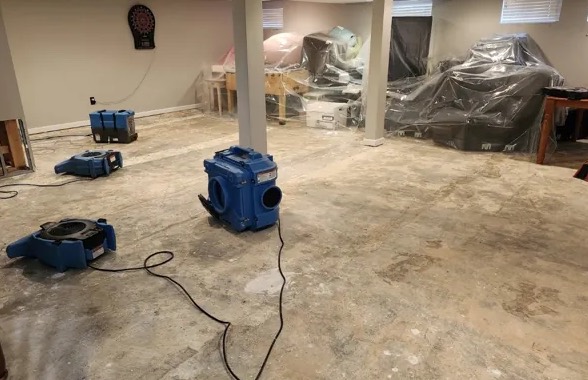
Basement mold comes back unless the dampness is fixed. Pros in Greensboro cut out affected materials with HEPA air scrubbing running and document conditions.
Mold in Attic Cleanup
Pros seal off the attic, remove damaged materials and dry the space. Fixing the leak or ventilation keeps the mold from coming back.
Mold Damage Cleanup
Final cleaning in Greensboro covers every surface inside the containment, ready for post-remediation testing.
Mold in Walls Removal
Mold in a wall cavity can spread spores through the HVAC system. Pros isolate the area, remove the drywall and clean the studs.
Mold Inspection Services
Not sure if you have mold? An inspection checks bathrooms, attics and behind appliances, with readings to back up what is seen.
Symptoms That Require Mold Remediation
Spongy or Soft Flooring
Soft or spongy flooring has taken on water and may have mold underneath.
Visible Mold Spots or Patches
Black, green or white fuzzy spots on walls, ceilings or baseboards are mold.
Peeling Paint or Wallpaper
Paint or wallpaper that bubbles, cracks or peels can have moisture and mold behind it.
Dark Stains on Ceiling Tiles
Stained ceiling tiles, especially under bathrooms or the roof, often hide mold above them.
How Mold Remediation Works in Greensboro
Step 1: Visual and Moisture Inspection
Pros look for every moisture source and all visible mold, with meters to back it up.
Step 2: Source Repair and Isolation
The leak or moisture problem is repaired, then the area is isolated before removal.
Step 3: Mold Elimination and Debris Removal
Mold is removed from surfaces, by cleaning or by taking out the material, and all debris is hauled away.
Step 4: Final Drying and Air Testing
A final drying phase removes leftover moisture, and air testing can confirm the result.
Primary Sources of Mold Infestation
High Indoor Humidity Levels
Indoor humidity that stays above 60 percent gives mold spores the moisture to grow.
Foundation Cracks and Seepage
Cracks in the foundation or slab let groundwater seep in and keep lower floors damp.
Inadequate Attic Ventilation
Poor attic airflow traps warm, damp air, which condenses on cold sheathing and grows mold.
Flooding and Storm Water Backup
Flooding soaks building materials, and mold follows if they are not dried quickly.
Residential and Commercial Mold Remediation in Greensboro
Residential Mold Remediation
Whole-house humidity can spread mold through many rooms. Pros advise on moisture control that suits how the home is built.
Commercial Mold Remediation
Office buildings with large HVAC systems need inspections so spores are not circulated. Pros clean ducts and treat affected areas.
The Risks of DIY Mold Remediation
Clean gutters and point downspouts away from the foundation to keep water out. If water has already caused dampness inside, the result needs professional cleanup.
Understanding Mold Remediation Pricing
In Greensboro, cleaning contents such as furniture and documents and treating the air both add to the total.
Air Quality Testing
Inspection before work and clearance testing after cleanup are usually separate line items.
Moisture Source Correction
Fixing the leak or humidity problem that caused the mold is part of a complete job.
Content Cleaning Needs
Cleaning furniture, documents and other belongings exposed to spores adds to the project.
Does Insurance Cover Mold Remediation?
Your insurer will look at what caused the mold. Pros in Greensboro can document the damage and its likely source; the decision stays with the insurer.
Benefits of Local Help for Mold Remediation in Greensboro
Clear Communication on Process
Pros explain each step, from inspection to final testing, so you know what is being done and why.
Advanced Containment Procedures
Negative air machines and plastic barriers keep spores out of clean rooms.
Moisture Source Identification
Finding and fixing the water or humidity problem keeps mold from coming back.
24/7 Emergency Mold Remediation in Greensboro
Found a lot of mold? Call (336) 594-2415 24/7 to talk with local mold damage pros about what to do next in Greensboro.
Call Now (336) 594-2415Mold Remediation Services Throughout Guilford County
From black mold remediation to prevention, local mold damage pros work in Greensboro, and in nearby Forest Oaks, Pleasant Garden and McLeansville.
Common Mold Remediation Queries Answered
What is the difference between mold removal and remediation?
Removal means cleaning off visible mold. Remediation also finds the moisture source, contains the area, removes contaminated materials and dries the space.
How is the source of moisture for mold found?
With moisture meters, thermal cameras and visual tracing of leaks, condensation and humidity sources.
What is included in mold prevention services?
Better attic or crawl space ventilation, dehumidifiers, antimicrobial coatings and advice on keeping the home dry.
How can I prevent mold growth after remediation?
Keep humidity down, ventilate bathrooms and attics, fix leaks quickly and use mold-resistant materials in wet areas.
What happens during emergency mold removal?
The water source is stopped and the mold is contained, then a full removal plan follows.