Hickory, NC · Catawba County
Wall Mold Removal in Hickory, NCDrywall Mold Removal & Bathroom Wall Mold Cleanup
Professional Wall Mold Removal in Hickory addresses drywall mold removal, wall cavity mold remediation, and black mold removal.
Answered 24/7
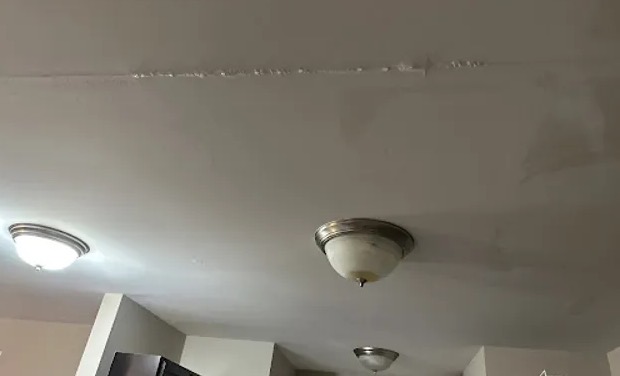
Comprehensive Wall Mold Removal in Catawba County
Wall mold removal cost considerations are secondary to ensuring complete eradication for the safety of your home in Hickory. Incomplete cleanup can allow regrowth and continued spore circulation.
For homes in the Hickory area, black mold removal from walls is a health and safety priority. Local mold remediation pros follow a detailed process, including mold inspection and containment, to handle incidents in Catawba County.
Detailed Wall Mold Removal Services
Drywall Mold Removal
When mold penetrates drywall, painting over it or using bleach fails. Professional drywall mold removal requires physically removing the contaminated material. Local mold removal pros ensure proper containment to protect the home's air quality during the remediation.
Bathroom Wall Mold Cleanup
Bathroom mold stems from poor ventilation and lingering moisture. The cleanup involves using moisture-resistant antimicrobial coatings on surfaces after a thorough cleaning to inhibit future growth, a service commonly needed in Hickory homes.
Mold Damaged Paint Removal
Mold can grow on and behind painted surfaces. Removing mold-damaged paint involves scraping, sanding with HEPA-filtered equipment, and applying a mold-killing primer before repainting. This ensures the new paint adheres to a clean, stable surface.
Wall Cavity Mold Remediation
Hidden moisture behind walls fosters mold colonies in cavities. Remediation involves drilling access holes, using tools to apply antimicrobial agents deep inside, and ensuring the space is completely dry to prevent recurrence.
Wallpaper Mold Remediation
Remediating mold under wallpaper is a delicate process. The pros use steam or enzymatic solutions to loosen adhesive, minimize damage to the wall, and ensure complete access to the mold colony for effective treatment and removal.
Do You Need Wall Mold Removal? Common Signs
Discolored Grout or Caulking
Black or pink stains in bathroom tile lines are often mold, signaling a need for bathroom wall mold cleanup.
High Indoor Humidity Readings
Consistently high humidity levels above 60 percent promote mold growth on walls and require professional mold spore air scrubbing.
Visible Mold in Corners
Mold thrives in dark, stagnant corners, especially behind furniture. This localized growth needs targeted wall mold removal.
Peeling Paint or Wallpaper
Bubbling or peeling finishes are common symptoms of moisture and mold damage underneath, a clear sign you need professional help.
How Wall Mold Removal Works in Hickory
Step 1: Source Identification and Plan
The specialists diagnose the cause, whether from a leak or humidity. They then create a customized plan for mold on walls removal and containment.
Step 2: Safe Demolition and Removal
Controlled demolition removes mold-damaged drywall and insulation. This step is critical for how to remove mold from drywall properly, ensuring no spores are left behind.
Step 3: Cavity Cleaning and Sanitizing
The exposed wall studs and cavity are HEPA-vacuumed and scrubbed. A broad-spectrum disinfectant is applied to eliminate any remaining mold residues and odors.
Step 4: Air Quality Clearance Testing
Optional post-remediation verification tests the air to confirm spore counts have returned to normal levels, providing confidence that the toxic mold removal was successful.
Common Sources of Wall Mold Growth
Condensation From Poor Insulation
Warm, moist air contacting cold exterior walls creates condensation inside, leading to mildew removal from walls being necessary.
Ineffective Bathroom Vent Fans
A weak or unused exhaust fan allows steam from showers to permeate walls, requiring bathroom wall mold cleanup later.
Drying Wet Clothes Indoors
Hanging wet laundry inside significantly increases room humidity, which can deposit moisture on walls and encourage mold development.
Chronic High Indoor Humidity
Poor ventilation from showers or cooking raises humidity, allowing mold spores to settle and grow on cooler wall surfaces.
Wall Mold Removal for Hickory Properties
Residential Wall Mold Removal
Mold on interior walls in homes threatens structure and air quality. The experts conduct mold spore cleanup and drywall mold treatment to eliminate odors and visible growth.
Commercial Wall Mold Removal
Office buildings and schools need discreet, effective mold solutions. The approach combines moisture mapping, professional mold remediation of affected walls, and HVAC cleaning to ensure a safe environment.
Why Professional Mold Remediation Beats DIY
Improving ventilation with dehumidifiers and exhaust fans is a good preventative step any homeowner can take. If you already see stains or smell mold, contact the pros for a proper assessment.
Understanding Wall Mold Removal Costs in Hickory
When considering mold on walls removal cost, the pros assess the need for procedures like negative air containment or HEPA air scrubbing. Bathroom wall mold cleanup may be less extensive than whole-room black mold removal.
Post-Remediation Verification
A final mold inspection and testing by a third party to confirm successful cleanup is a common project closure step.
Affected Building Materials
Costs differ between mold damaged paint removal, drywall mold removal, and more complex wallpaper mold remediation or treating structural wood.
Accessibility Challenges
Mold in tight wall cavities or behind finished surfaces requires more time and careful demolition for proper access and treatment.
Does Insurance Cover Wall Mold Removal?
Insurance coverage for professional mold remediation is policy-specific. Mold from a covered appliance overflow might be considered. The pros create a damage report for the homeowner to forward. Homeowners should confirm coverage details directly with their insurer.
Benefits of Hiring Local Pros for Wall Mold Removal
Antimicrobial Application
After removal, approved antimicrobial solutions are applied to cleaned framing and surfaces to inhibit future mold growth.
IICRC-Standard Remediation Protocols
The work follows established industry standards for containment, removal, and cleaning to address mold at its source and prevent recurrence.
HEPA Filtration Air Scrubbing
Industrial air scrubbers with HEPA filters run continuously to remove airborne mold spores during and after the removal process.
Urgent Wall Mold Removal When You Need It
Urgent bathroom wall mold cleanup or other immediate mold emergencies get 24/7 assistance. Quick action prevents further damage. To schedule an emergency assessment, call the pros at (336) 594-2415 and discuss steps for containment and remediation.
Call Now (336) 594-2415Areas Served for Wall Mold Removal
Other places served are listed below, each with its own page.
Your Wall Mold Removal Questions Resolved
How is bathroom wall mold cleanup different from other rooms?
Bathroom cleanup often focuses on non-porous surfaces like tile, requires addressing high humidity sources like poor ventilation, and may involve mold damaged paint removal or caulking replacement to create a moisture-resistant surface.
Is it safe to stay in my home during wall mold removal?
For small, contained projects, it may be possible. For larger toxic mold removal jobs, especially those involving black mold, temporary relocation is often recommended to avoid exposure to spores and cleaning chemicals.
Will removing moldy drywall stop the smell in my house?
Removing the contaminated material is the major first step. The smell often persists until all spores are removed via air scrubbing and surfaces are deep cleaned. Identifying and fixing the moisture source is also key.
Why is mold spore air scrubbing necessary during remediation?
Air scrubbing with HEPA filters is critical to capture airborne mold spores stirred up during removal work, preventing them from settling and causing new growth in other areas of your home after the main cleanup.
What is involved in wall cavity mold remediation?
This involves creating access to the cavity, often by removing drywall, inspecting and cleaning or removing insulation, treating the interior framing with antimicrobial solutions, and ensuring the space is completely dry before sealing it back up.