Clemmons, NC · Forsyth County
Wall Mold Removal in Clemmons, NCWall Cavity Mold Remediation & Bathroom Wall Mold Cleanup
Wall Mold Removal experts in Clemmons provide black mold removal, drywall mold removal, and mold prevention treatments.
Answered 24/7
Trusted Wall Mold Removal for Clemmons Residents
Wallpaper mold remediation in Clemmons requires careful techniques to prevent damaging adjacent walls. Mold can thrive in the adhesive layer, making removal and treatment a specialized task.
The mold remediation process for wall mold in Clemmons, Lewisville, Winston-Salem and Wallburg focuses on source elimination and prevention. The specialists handle wallpaper mold remediation to mold prevention treatments, documenting damage for insurance claims.
Scope of Wall Mold Removal Work
Wall Cavity Mold Remediation
Hidden moisture behind walls fosters mold colonies in cavities. Remediation involves drilling access holes, using tools to apply antimicrobial agents deep inside, and ensuring the space is completely dry to prevent recurrence.
Bathroom Wall Mold Cleanup
Bathroom mold stems from poor ventilation and lingering moisture. The cleanup involves using moisture-resistant antimicrobial coatings on surfaces after a thorough cleaning to inhibit future growth, a service commonly needed in Clemmons homes.
Mold Spore Air Scrubbing
Air scrubbing is a vital containment step. These powerful machines create negative air pressure, pulling spore-laden air through a series of filters. This controlled environment prevents cross-contamination, ensuring the remediation is effective and contained.
Drywall Mold Removal
When mold penetrates drywall, painting over it or using bleach fails. Professional drywall mold removal requires physically removing the contaminated material. The specialists ensure proper containment to protect the home's air quality during the remediation.
Mold Damaged Paint Removal
Blistering or peeling paint can signal mold underneath. The proper removal process, employed by the specialists, eliminates all affected layers to reach the root of the problem before restoration or repainting.
When to Consider Wall Mold Removal in Clemmons
Peeling Paint or Wallpaper
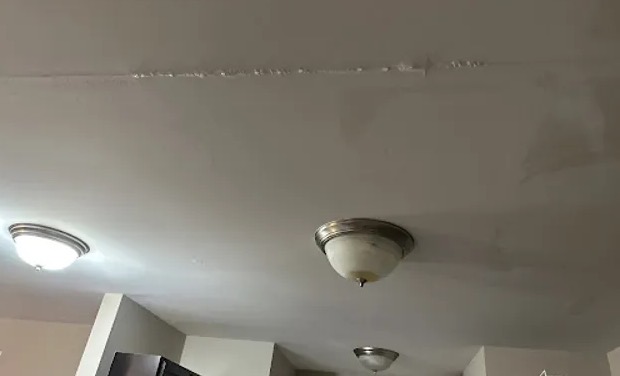
Bubbling or peeling finishes are common symptoms of moisture and mold damage underneath, a clear sign you need professional help.
New or Worsening Allergies
Unexplained respiratory issues, sneezing, or itchy eyes at home can be caused by airborne mold spores from wall growth.
Deteriorating Wood Baseboards
Soft, crumbling wood trim adjacent to walls can indicate spreading moisture and mold, complicating the mold remediation process.
Discolored Grout or Caulking
Black or pink stains in bathroom tile lines are often mold, signaling a need for bathroom wall mold cleanup.
How Wall Mold Removal Works in Clemmons
Step 1: Assessment and Moisture Mapping
The process starts by locating all moisture sources fueling the mold growth. This assessment determines the scope of work and potential wall mold removal cost.
Step 2: Black Mold Removal and Treatment
Using personal protective equipment, pros physically remove all mold-infested materials like drywall or wallpaper. Cavities are then treated with EPA-registered antimicrobial agents.
Step 3: Mold Spore Air Scrubbing
High-efficiency particulate air scrubbers and negative air machines are deployed to filter the air, removing mold spores and ensuring professional mold remediation standards.
Step 4: Drying and Prevention Advice
Affected areas are thoroughly dried using industrial equipment. Before leaving, pros may offer guidance on mold prevention treatments to reduce future risk.
Why Mold Grows on Interior Walls
Drying Wet Clothes Indoors
Hanging wet laundry inside significantly increases room humidity, which can deposit moisture on walls and encourage mold development.
Ineffective Bathroom Vent Fans
A weak or unused exhaust fan allows steam from showers to permeate walls, requiring bathroom wall mold cleanup later.
Chronic High Indoor Humidity
Poor ventilation from showers or cooking raises humidity, allowing mold spores to settle and grow on cooler wall surfaces.
Flooding or Spill Oversights
Incomplete drying after any water event leaves moisture trapped behind drywall, creating a perfect habitat for toxic mold removal needs.
Wall Mold Removal for All Property Types
Residential Wall Mold Removal
Homeowners face mold from leaks, high humidity, and poor ventilation. The service involves cavity remediation and mold damaged paint removal to make your living spaces safe and sound again.
Commercial Wall Mold Removal
Commercial properties require early action to prevent business interruption. The process includes mold testing, industrial air scrubbing, and wall cavity mold remediation to meet strict indoor air standards.
The Risks of DIY Wall Mold Removal
Regularly cleaning bathroom surfaces with mold-inhibiting products can prevent some growth. For mold behind walls or in cavities, mold spore cleanup requires negative air machines and HEPA filtration only pros provide.
Investing in Professional Wall Mold Removal
Understanding wall mold removal cost in North Carolina requires an on-site inspection by the specialists. Factors include square footage of affected drywall, black mold presence, and the need for air scrubbing.
Affected Building Materials
Costs differ between mold damaged paint removal, drywall mold removal, and more complex wallpaper mold remediation or treating structural wood.
Accessibility Challenges
Mold in tight wall cavities or behind finished surfaces requires more time and careful demolition for proper access and treatment.
Post-Remediation Verification
A final mold inspection and testing by a third party to confirm successful cleanup is a common project closure step.
Does Insurance Cover Wall Mold Removal?
Insurance may cover how to remove mold from drywall only if the cause is a covered peril. The specialists document the damage progression. Homeowners should get coverage clarification from their insurer.
Why Clemmons Homeowners Trust Wall Mold Specialists
Antimicrobial Application
After removal, approved antimicrobial solutions are applied to cleaned framing and surfaces to inhibit future mold growth.
Detailed Documentation
Thorough notes, photos, and moisture maps are created for your records, which can be useful for personal reference or insurance.
Material Removal Precision
Affected drywall or insulation is carefully removed and bagged on-site to avoid spreading contamination during mold damaged paint removal.
24/7 Help for Severe Mold Issues
Immediate help with mold on walls removal is available. This contains health and property risks. Contact the experts at (336) 594-2415 to report the issue and arrange a professional mold inspection.
Call Now (336) 594-2415Local Wall Mold Removal Coverage Area
Each place listed below has its own page with local details.
FAQ on Wall Mold Removal in Clemmons
What are mold prevention treatments applied after removal?
These are EPA-registered antimicrobial coatings applied to cleaned, dry surfaces like wall studs and subflooring to inhibit future fungal growth. They are part of a complete strategy that includes moisture control.
How do I know if I need professional mold remediation?
Consider professional help if the moldy area is larger than about 10 square feet, if you suspect HVAC contamination, if mold has returned after cleaning, or if you have health concerns related to the growth.
Can wallpaper mold remediation save the existing wallpaper?
Typically, no. Mold growing on or behind wallpaper usually requires removal of the wallpaper to access, clean, and treat the wall underneath. The wallpaper itself is porous and cannot be adequately salvaged.
Will removing moldy drywall stop the smell in my house?
Removing the contaminated material is the major first step. The smell often persists until all spores are removed via air scrubbing and surfaces are deep cleaned. Identifying and fixing the moisture source is also key.
Is it safe to stay in my home during wall mold removal?
For small, contained projects, it may be possible. For larger toxic mold removal jobs, especially those involving black mold, temporary relocation is often recommended to avoid exposure to spores and cleaning chemicals.