Lincolnton, NC · Lincoln County
Full Structural Restoration in Lincolnton, NCStructural Integrity Assessment & Structural Moisture Removal
Full Structural Restoration in Lincolnton covers structural water damage repair, foundation water restoration and wall framing drying services.
Answered 24/7
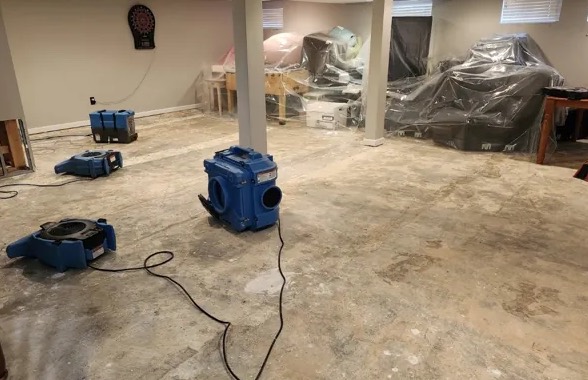
Professional Full Structural Restoration in Lincolnton, NC
In the Lincolnton area, water weakens supports over time, so repairs should start early. The local restoration professionals tackle it by implementing a phased plan: initial assessment, aggressive structural drying and dehumidification, and then precise reconstruction of damaged elements.
After major water exposure in Lincolnton, wall framing is dried and the structure dehumidified. Each job in Lincolnton starts with finding the source of the problem so the restoration professionals can plan cleanup and repairs around it.
Detailed Full Structural Restoration Services in Lincolnton, NC
Structural Integrity Assessment
In Lincolnton, this assessment helps homeowners understand the situation. The pros document the extent of the damage and provide a clear report to support next steps.
Structural Moisture Removal
Structural repairs target the home's wooden framework. The professionals identify beams, joists, or studs that have lost integrity. They execute precise repairs to restore strength and alignment.
Load-Bearing Wall Restoration
Wet load-bearing walls need to be dried and checked. Compromise can lead to structural failure. Pros conduct an assessment to plan drying and reinforcement.
Floor Joist Repair Services
Soggy floor joists compromise floor stability. Repair starts with a complete subfloor assessment. Experts measure moisture and test wood integrity to choose a method.
Structural Water Damage Repair
When water soaks load-bearing elements, structural water damage repair is needed. The professionals assess saturation and apply targeted drying. Timely action prevents costly reconstruction later.
When to Consider Full Structural Restoration in Lincolnton
Bowed or Warped Walls
Visible bowing or warping indicates water has compromised the structural integrity of wall framing, requiring immediate assessment.
Cracks in Load-Bearing Walls
New or expanding cracks in foundation walls or load-bearing walls signal serious structural stress from moisture saturation.
Ceiling Sag or Beam Deflection
A sagging ceiling or visibly bending beam is a clear warning of structural integrity restoration urgency.
Post-Flood Visible Wood Rot
Discolored, soft or crumbling wood after a flood needs to be checked to see whether it can be dried or must be replaced.
How Full Structural Restoration Works in Lincolnton
Step 1: On-Site Structural Integrity Assessment
The job begins with a hands-on assessment of all framing, from the foundation up, to diagnose the full scope of structural damage.
Step 2: Controlled Demolition for Access
Selective, careful removal of finishes provides access to wet structural wood for the upcoming wall framing drying services and repairs.
Step 3: Targeted Drying Protocol Implementation
A customized drying plan using injectidry systems or similar technology addresses hidden moisture in structural members for post-flood structural repair.
Step 4: Reconstruction With Durable Materials
The final phase involves rebuilding with treated or moisture-resistant lumber where needed, solidifying the building structure repair for the long term.
Common Causes of Structural Water Damage in Lincolnton
Major Plumbing System Failures
Burst supply lines or drain pipe failures can flood a structure, saturating load-bearing walls and floor systems.
HVAC Condensation Drain Blockages
Clogged condensate drains cause overflow that can drip into wall cavities and ceiling joists unnoticed.
Sewage Backup or Clean Water Infiltration
Sewer backups or sump pump failures flood basements, damaging structural posts and foundational elements.
Natural Disaster Impact
Events causing significant water intrusion, such as pipe bursts or appliance failures, necessitate a thorough structural damage assessment for the safety of the building's framework.
Residential and Commercial Full Structural Restoration in Lincolnton
Residential Full Structural Restoration
Residential structural integrity restoration often involves discreet repairs to preserve aesthetics. In occupied homes, the professionals repair joists and walls while controlling dust and disruption.
Commercial Full Structural Restoration
Commercial structural drying and dehumidification requires industrial-scale equipment for large warehouses or offices. The experts assess steel supports, concrete slabs, and large-span roof systems to prevent business interruption from post-flood structural repair delays.
Full Structural Restoration vs. DIY: When to Call Local Professionals
Keep a log of what you see and who you talk to. Judging damage to floor joists or the foundation takes professional tools, so let the professionals evaluate the structure.
Understanding Full Structural Restoration Cost in Lincolnton
Building structure repair expenses consider the accessibility of damaged areas, such as floor joists and wall framing, and the required drying time.
Contamination Level
Post-flood structural repair for category 2 or 3 water involves additional safety protocols and cleaning, increasing the overall restoration effort.
Scope of Deconstruction
The amount of drywall, flooring, or insulation that must be removed to access and dry structural elements influences the project's labor intensity.
Required Drying Time
Structural drying and dehumidification processes must run until materials reach a specific moisture content, affecting equipment rental duration and energy use.
Does Insurance Cover Full Structural Restoration?
Coverage for framing and joist repairs depends on the cause. Damage from a leaking appliance is commonly covered. Your insurer will apply your policy's terms to the documented structural moisture removal work.
Why Choose Local Professionals for Full Structural Restoration in Lincolnton
Foundation Restoration Focus
Attention to foundation water restoration helps prevent long-term settlement issues and preserves the stability of the entire structure above.
Thorough Dehumidification Process
Industrial dehumidifiers lower the ambient humidity to properly dry dense structural materials like framing lumber, preventing warping and mold.
Advanced Moisture Detection
Using penetrating meters and thermal imaging, the specialists locate hidden moisture within wall cavities and structural wood for targeted drying.
24/7 Full Structural Restoration for Lincolnton Emergencies
When water threatens a home's framework, delay increases repair complexity and potential for mold growth. Homeowners should reach the professionals for urgent structural integrity assessment and mitigation by calling (336) 594-2415 anytime.
Call Now (336) 594-2415Full Structural Restoration in Lincolnton and Other Areas Served
Load-bearing wall restoration and other structural repairs are necessary to maintain a home's stability after a leak or flood.
- Full Structural Restoration in Asheboro
- Full Structural Restoration in Belmont
- Full Structural Restoration in Boone
- Full Structural Restoration in Charlotte
- Full Structural Restoration in Clemmons
- Full Structural Restoration in Concord
- Full Structural Restoration in Cornelius
- Full Structural Restoration in Davidson
Common Full Structural Restoration Questions Answered
What is involved in full structural restoration?
The process includes a structural integrity assessment, industrial drying and dehumidification of framing and joists, and the repair or replacement of compromised load-bearing components to restore safety.
How long does structural drying and dehumidification take?
Drying dense structural wood like floor joists and wall framing typically takes several days, monitored with moisture meters until materials reach a dry standard to prevent future rot.
What are signs of hidden structural water damage?
Warped floors, sticking doors, cracks emanating from corners, and a musty smell can indicate moisture within wall cavities or floor systems, requiring investigation by the professionals.
Can a home be lived in during structural restoration?
Often, sections are contained, but major projects involving extensive deconstruction or load-bearing work may require temporary relocation for safety and to allow unimpeded access for pros.
How are different structural drying methods selected?
The selection is based on the materials involved, the extent of saturation, and the construction type. For example, open-wall drying may be chosen for severe wall framing saturation.