Newton, NC · Catawba County
Mold Structural Damage Restoration in Newton, NCMold Damaged Flooring Removal & Mold Infested Drywall Removal
When mold compromises structure in Newton, Mold Structural Damage Restoration involves subfloor mold remediation, mold infested drywall removal, and emergency mold containment setup.
Answered 24/7
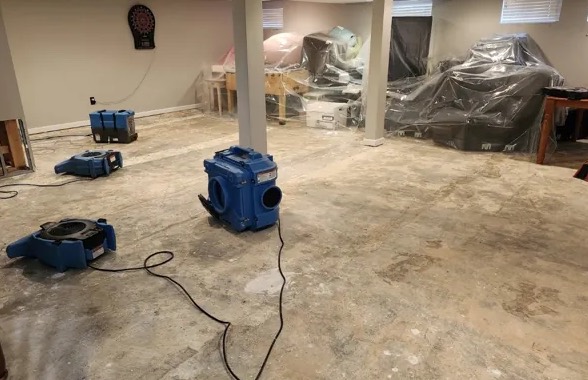
Mold Structural Damage Restoration Experts Serving Newton
Mold structural damage restoration matters in Newton because hidden fungal growth can weaken load-bearing elements, posing safety risks and lowering property value. Water damage mold often leads to costly structural repairs if not addressed properly.
In Newton, subfloor treatment and containment keep mold from spreading to clean areas. Local mold removal specialists can be reached around the clock for mold removal and structural repair.
Comprehensive Mold Structural Damage Restoration in Newton
Mold Damaged Flooring Removal
For residents in Newton, discovering mold under flooring is a stressful event. The experts remove the materials and document the damage with photos and moisture readings.
Mold Infested Drywall Removal
Mold growth on drywall signals that moisture has penetrated the material. The removal process involves precise cutting, bagging the debris onsite, and thorough cleaning of the adjacent surfaces. The mold is removed, not just covered up.
Post-Remediation Structural Drying
Drying the structure completely after remediation is what seals the success of the project. Using moisture meters, the pros monitor the drying process until all materials meet dry standard specifications.
Subfloor Mold Remediation
Mold remediation for subfloors requires accessing a confined, often damp space. The process includes moisture mapping, controlled demolition, antimicrobial treatment, and structural drying to create a stable base for new flooring.
Emergency Mold Containment Setup
Setting up containment controls the mold remediation environment from the outset. It isolates the area to protect workers and occupants before removal starts.
Indicators You Require Mold Structural Damage Restoration
HVAC System With Dusty Smell
Mold in air ducts often circulates a dusty, musty odor whenever the heating or cooling runs.
Recent Water Damage Stains
Discolored ceilings or walls from past leaks can create the perfect environment for mold.
Flooring That Feels Spongy
Soft spots underfoot on laminate, tile, or wood floors often point to subfloor mold damage.
Musty Odors in Specific Rooms
A persistent earthy smell often signals hidden mold growth within walls, floors, or HVAC systems.
How Mold Structural Damage Restoration Works in Newton
Step 1: Emergency Response and Evaluation
Upon quick action, the specialists assess the scope of structural damage and plan the mold damage restoration process.
Step 2: Active Mold Growth Removal
Pros physically remove all visible mold colonies and the porous materials they grow on, such as during mold contaminated insulation removal.
Step 3: Antimicrobial Application and Treatment
After removal, approved antimicrobials are applied to remaining structural surfaces to inhibit any residual mold spores from reactivating.
Step 4: Air Quality Clearance Testing
Air samples may be taken afterward to confirm spore counts are safe.
Common Causes of Mold Structural Damage
Condensation in HVAC Ducts
Temperature differences in ductwork can create condensation, leading to mold growth inside the air distribution system.
Appliance Overflow Incidents
Washing machine, dishwasher, or water heater failures can flood floors and walls, starting rapid mold growth.
High Indoor Humidity Levels
Consistent humidity above 60 percent allows mold spores on surfaces to germinate and colonize materials.
Leaking Window or Door Seals
Failed caulking or seals allow rainwater intrusion into wall cavities, leading to mold on framing and insulation.
Mold Structural Damage Restoration for Homes & Businesses in Newton
Residential Mold Structural Damage Restoration
Household mold damage restoration frequently starts in bathrooms, kitchens, and basements where moisture is common. The pros treat the subfloor and remove the mold at its source.
Commercial Mold Structural Damage Restoration
For schools or medical facilities, strict protocols govern mold remediation. Pros remove black mold and repair the structure to keep occupants safe and meet code.
When to DIY and When to Hire Local Pros for Mold Structural Damage Restoration
You can safely improve ventilation by using exhaust fans and dehumidifiers to lower general humidity after a minor spill. Active mold or water damage inside walls needs a professional inspection and drying.
Pricing for Mold Structural Damage Restoration in Newton
Costs vary based on the accessibility of the damaged areas, such as tight crawlspaces or spaces behind finished walls. The necessity of post-remediation verification testing or clearance sampling also contributes to the final project scope and its associated factors.
Structural Drying
Post-remediation structural drying duration and the number of air movers or dehumidifiers needed influence the overall timeline and cost.
Containment Level
Establishing negative air pressure and sealing off work zones adds to the project scope and required equipment.
Testing and Verification
Post-remediation mold testing to confirm clearance adds a final step and associated lab analysis fees.
Does Insurance Cover Mold Structural Damage Restoration?
Insurance coverage for mold structural damage restoration often depends on the source of the moisture. The pros document all damage with photos and moisture readings for a homeowner's claim submission. The final coverage decision rests solely with the insurance adjuster; homeowners should always confirm specifics directly with their provider.
Why Newton Properties Need Local Pros for Mold Structural Damage Restoration
Thorough Drying Protocols
Post-remediation structural drying uses industrial equipment to remove residual moisture from rebuilt cavities and materials.
Comprehensive Mold Removal
The process addresses both visible mold and hidden spores in materials like drywall, insulation, and subfloors.
Health-Safe Procedures
Containment and air filtration during mold infested drywall removal help protect indoor air quality in your home.
24/7 Emergency Mold Structural Damage Restoration Response in Newton
Emergency mold and mildew removal from structural components cannot wait. For help with containment and assessment in the Newton area, call (336) 594-2415 anytime. The pros focus on halting further structural damage during the initial response.
Call Now (336) 594-2415Mold Structural Damage Restoration in Newton and Other Areas Served
Help with mold structural damage restoration is available across Newton, including mold infested drywall removal and structural wood mold treatment.
- Mold Structural Damage Restoration in Asheboro
- Mold Structural Damage Restoration in Belmont
- Mold Structural Damage Restoration in Boone
- Mold Structural Damage Restoration in Charlotte
- Mold Structural Damage Restoration in Clemmons
- Mold Structural Damage Restoration in Concord
- Mold Structural Damage Restoration in Cornelius
- Mold Structural Damage Restoration in Davidson
Mold Structural Damage Restoration FAQs
Why is emergency mold containment setup important?
Containment with plastic sheeting and negative air pressure isolates the work area, preventing mold spores from spreading to clean parts of your home during remediation.
Why is structural drying a separate phase after mold removal?
Drying removes moisture left from the leak or the remediation, which prevents mold from coming back.
What are signs of structural damage from water damage mold?
Signs include soft or warped wood, sagging floors or ceilings, crumbling drywall, and musty odors, indicating moisture has compromised the material's integrity.
Is mold infested drywall removal always necessary?
Drywall is porous and typically cannot be salvaged once mold is inside. Removal and replacement are standard to eliminate the mold reservoir and allow for structural drying.
How long does mold structural damage restoration typically take?
The timeline depends on the scope, but a project can range from a few days for a localized issue to a week or more for extensive structural damage repair.