Harrisburg, NC · Cabarrus County
Mold Structural Damage Restoration in Harrisburg, NCStructural Wood Mold Treatment & Post-Remediation Structural Drying
When mold causes structural damage in Harrisburg, Mold Structural Damage Restoration involves mold infested drywall removal, structural wood mold treatment, and HVAC duct mold cleaning.
Answered 24/7
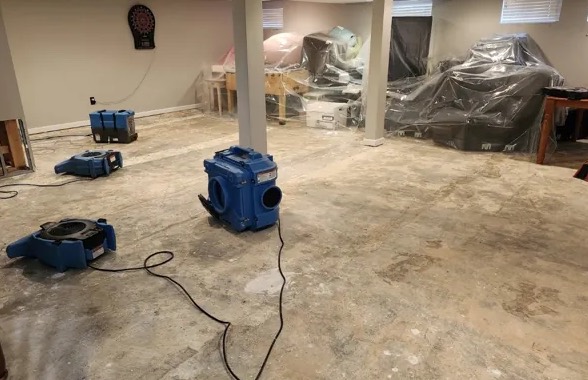
Local Mold Structural Damage Restoration for Harrisburg Homes
Mold structural damage restoration matters in Harrisburg because hidden fungal growth can weaken load-bearing elements, posing safety risks and lowering property value. Water damage mold often leads to costly structural repairs if not addressed properly.
In Harrisburg, the work includes removing moldy flooring and drying the structure. Nearby places like Concord, Mint Hill and Kannapolis share similar restoration needs. Local water damage restoration experts use IICRC-standard methods for mold remediation and cleanup.
Mold Structural Damage Restoration Services for Harrisburg
Structural Wood Mold Treatment
Mold can break down wood fibers over time and weaken framing. Treatment cleans the wood and stops further decay, and badly weakened pieces are replaced.
Post-Remediation Structural Drying
Drying the structure completely after remediation is what seals the success of the project. Using moisture meters, the pros monitor the drying process until all materials meet dry standard specifications.
Subfloor Mold Remediation
Mold under flooring can warp floors. Flooring is pulled up, the subfloor treated and the space dried completely.
Mold Damaged Flooring Removal
For residents in Harrisburg, discovering mold under flooring is a stressful event. The experts remove the materials and document the damage with photos and moisture readings.
Mold Contaminated Insulation Removal
Wet, moldy insulation loses thermal resistance and must be removed. The process involves extraction using vacuum systems and sealed disposal bags. The cavity is then cleared for new insulation.
Symptoms Requiring Mold Structural Damage Restoration in Harrisburg
Flooring That Feels Spongy
Soft spots underfoot on laminate, tile, or wood floors often point to subfloor mold damage.
Peeling Paint or Wallpaper
Adhesive failure and paint blistering are common signs of moisture and mold behind the surface.
Condensation on Windows or Pipes
Constant high humidity from condensation promotes mold growth on nearby structural materials and insulation.
Allergy Symptoms Indoors
Sudden worsening of coughs, itchy eyes, or congestion at home can be a reaction to mold spores.
How Mold Structural Damage Restoration Works in Harrisburg
Step 1: Emergency Response and Evaluation
Upon quick action, the specialists assess the scope of structural damage and plan the mold damage restoration process.
Step 2: Active Mold Growth Removal
Pros physically remove all visible mold colonies and the porous materials they grow on, such as during mold contaminated insulation removal.
Step 3: Antimicrobial Application and Treatment
After removal, approved antimicrobials are applied to remaining structural surfaces to inhibit any residual mold spores from reactivating.
Step 4: Air Quality Clearance Testing
Air samples may be taken afterward to confirm spore counts are safe.
Common Causes of Mold Structural Damage
Foundation Water Seepage
Groundwater or poor drainage can wet subfloors and support posts, causing mold in crawl spaces and basements.
Improper Drying After Water Damage
Incomplete drying after any water incident leaves hidden moisture that turns into mold within days.
Roof Leaks Into Attics
Water intrusion from damaged shingles or flashing soaks insulation and wood, creating ideal mold growth conditions.
Poor Bathroom Ventilation
Shower steam with no exhaust fan leads to moisture buildup on walls and ceilings, encouraging mold.
Mold Structural Damage Restoration for All Property Types in Harrisburg
Residential Mold Structural Damage Restoration
A residential mold inspection may reveal growth behind walls from slow leaks. The pros then remove drywall and treat structural wood to reach hidden mold.
Commercial Mold Structural Damage Restoration
Restaurants or hotels need discreet, efficient mold and mildew removal to protect reputation. Experts remove insulation and dry the structure with little disruption to guests or customers.
Mold Structural Damage Restoration vs. DIY: When to Call Mold Remediation Pros
After a minor leak, you can wipe up standing water and move wet items to aid drying. If materials like drywall or flooring remain damp over 48 hours, contact the pros in Harrisburg for mold damage restoration before mold establishes.
Pricing for Mold Structural Damage Restoration in Harrisburg
The final price reflects the containment needed and how much structural wood must be treated to stop further decay.
Material Type
Costs differ between treating porous wood studs versus non-porous materials, as each requires specific mold removal and restoration approaches.
Emergency Response
After-hours or weekend work to set up mold containment may cost more than scheduled work.
Extent of Damage
The square footage of mold-compromised structural materials, from a small section to an entire wall system, dictates labor and material needs.
Does Insurance Cover Mold Structural Damage Restoration?
Mold damage restoration coverage is a complex insurance matter. Many policies limit or exclude mold unless it originates from a sudden, accidental discharge. The specialists document the structural repairs needed. Ask your insurer about coverage for mold cleanup and drying before work starts.
Why Choose Local Pros for Mold Structural Damage Restoration in Harrisburg
24/7 Emergency Response
Help is available to set up emergency mold containment and prevent further structural damage spread.
Thorough Drying Protocols
Post-remediation structural drying uses industrial equipment to remove residual moisture from rebuilt cavities and materials.
Health-Safe Procedures
Containment and air filtration during mold infested drywall removal help protect indoor air quality in your home.
24/7 Emergency Mold Structural Restoration in Harrisburg
Heavy mold on beams or subflooring needs prompt attention before the structure weakens. Call (336) 594-2415 for emergency structural damage restoration service, which is available around the clock for properties in Harrisburg.
Call Now (336) 594-2415Mold Structural Damage Restoration in Harrisburg and Other Areas Served
The places below are also served, and each one has its own page.
- Mold Structural Damage Restoration in Concord
- Mold Structural Damage Restoration in Mint Hill
- Mold Structural Damage Restoration in Kannapolis
- Mold Structural Damage Restoration in Huntersville
- Mold Structural Damage Restoration in Charlotte
- Mold Structural Damage Restoration in Davidson
- Mold Structural Damage Restoration in Cornelius
- Mold Structural Damage Restoration in Mooresville
Mold Structural Damage Restoration Common Questions Answered
How does black mold removal differ from regular mold cleanup?
Black mold, or Stachybotrys, often indicates prolonged moisture and may require more stringent containment and removal protocols due to potential health concerns, but the structural repair steps are similar.
Is mold infested drywall removal always necessary?
Drywall is porous and typically cannot be salvaged once mold is inside. Removal and replacement are standard to eliminate the mold reservoir and allow for structural drying.
Does mold testing happen before and after restoration?
Pre-testing can identify spore types and levels. Testing after remediation is standard to confirm cleanup and drying worked.
What is the goal of mold abatement in this context?
It removes active mold and spores from structural materials to a level safe for occupancy.
Can mold remediation and structural repair happen simultaneously?
The order matters: removal and containment come first, then structural drying, then any structural repairs.