High Point, NC · Guilford County
Mold Structural Damage Restoration in High Point, NCMold Damaged Flooring Removal & Structural Wood Mold Treatment
Mold Structural Damage Restoration for High Point properties includes structural wood mold treatment, post-remediation structural drying, and HVAC duct mold cleaning.
Answered 24/7
Mold Structural Damage Restoration Experts Serving High Point
In High Point, leaks and floods can let mold grow inside walls and under floors. Early intervention limits the scope of required repairs.
In High Point and nearby communities like Archdale, Trinity and Jamestown, moldy drywall and ducts must be removed or cleaned. Local structural damage restoration pros handle these tasks. The specialists in High Point remove only what cannot be saved and clean or restore the rest whenever practical.
Comprehensive Mold Structural Damage Restoration in High Point
Mold Damaged Flooring Removal
Mold-damaged flooring removal is more than a demolition job. It involves identifying the moisture pathway, protecting unaffected areas, and preparing a clean substrate for whatever new flooring you choose.
Structural Wood Mold Treatment
Mold can break down wood fibers over time and weaken framing. Treatment cleans the wood and stops further decay, and badly weakened pieces are replaced.
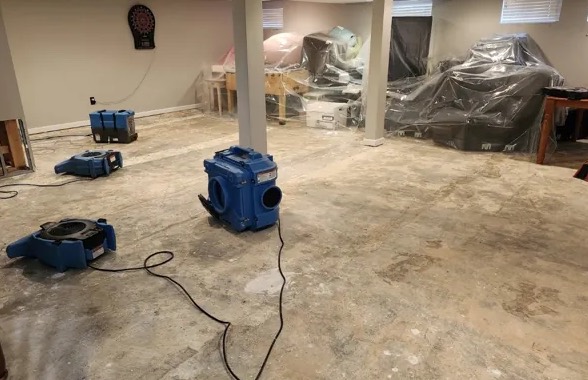
Post-Remediation Structural Drying
Drying the structure completely after remediation is what seals the success of the project. Using moisture meters, the pros monitor the drying process until all materials meet dry standard specifications.
Mold Contaminated Insulation Removal
Wet, moldy insulation loses thermal resistance and must be removed. The process involves extraction using vacuum systems and sealed disposal bags. The cavity is then cleared for new insulation.
Mold Infested Drywall Removal
Mold growth on drywall signals that moisture has penetrated the material. The removal process involves precise cutting, bagging the debris onsite, and thorough cleaning of the adjacent surfaces. The mold is removed, not just covered up.
Signs of Mold Structural Damage
Visible Mold Patches on Walls
Dark spots or fuzzy mold on drywall or wood surfaces indicate active mold damage behind the surface.
Cracking or Splitting Wood Joints
As mold weakens structural wood, joints and supports may start to show physical stress cracks.
Condensation on Windows or Pipes
Constant high humidity from condensation promotes mold growth on nearby structural materials and insulation.
Warping or Bubbling Drywall
When drywall softens, bulges, or shows bubbles, moisture and mold are likely inside the cavity.
How Mold Structural Damage Restoration Works in High Point
Step 1: Source Stopping and Containment
The first action is to stop the water source if active and set up emergency mold containment to limit cross-contamination immediately.
Step 2: Systematic Demolition of Damaged Parts
Compromised structural elements are methodically removed. This often means removing drywall and opening subfloors.
Step 3: Deep Drying of Building Cavities
Industrial dehumidifiers and air movers dry wall cavities, joist bays, and subfloors thoroughly, a key phase in structural drying.
Step 4: Reconstruction Preparation and Documentation
Pros prepare the clean, dry area for rebuilding and provide documentation like photos and readings for your insurance claim review.
What Causes Mold Structural Damage
High Indoor Humidity Levels
Consistent humidity above 60 percent allows mold spores on surfaces to germinate and colonize materials.
Appliance Overflow Incidents
Washing machine, dishwasher, or water heater failures can flood floors and walls, starting rapid mold growth.
Foundation Water Seepage
Groundwater or poor drainage can wet subfloors and support posts, causing mold in crawl spaces and basements.
Leaking Window or Door Seals
Failed caulking or seals allow rainwater intrusion into wall cavities, leading to mold on framing and insulation.
Residential and Commercial Mold Structural Damage Restoration in High Point
Residential Mold Structural Damage Restoration
A residential mold inspection may reveal growth behind walls from slow leaks. The pros then remove drywall and treat structural wood to reach hidden mold.
Commercial Mold Structural Damage Restoration
Restaurants or hotels need discreet, efficient mold and mildew removal to protect reputation. Experts remove insulation and dry the structure with little disruption to guests or customers.
Mold Structural Damage Restoration vs. DIY: When to Call Local Specialists
If a musty smell suggests hidden mold, a homeowner can avoid the area and limit airflow by closing doors to contain spores temporarily. For safe black mold removal, schedule professional testing to find the full extent of the damage.
Understanding Mold Structural Damage Restoration Costs in High Point
The cost of mold structural damage restoration in High Point is shaped by the square footage affected and the severity of mold colonization. Materials like framing lumber and drywall also factor into the final estimate.
Containment Level
Establishing negative air pressure and sealing off work zones adds to the project scope and required equipment.
Extent of Damage
The square footage of mold-compromised structural materials, from a small section to an entire wall system, dictates labor and material needs.
Testing and Verification
Post-remediation mold testing to confirm clearance adds a final step and associated lab analysis fees.
Does Insurance Cover Mold Structural Damage Restoration?
Insurance for black mold removal and structural fixes depends entirely on your individual policy's language and endorsements. Most cover mold only when it follows a covered water incident. The pros gather evidence like mold inspection findings for your insurer. You are responsible for verifying coverage details and submitting the claim to your provider.
Advantages of Hiring Local Specialists in High Point
IICRC-Standard Remediation
Methods follow industry guidelines for safe mold abatement and structural repair, focusing on containment and proper removal.
24/7 Emergency Response
Help is available to set up emergency mold containment and prevent further structural damage spread.
Health-Safe Procedures
Containment and air filtration during mold infested drywall removal help protect indoor air quality in your home.
24/7 Emergency Mold Structural Restoration in High Point
For emergency mold containment setup to stop structural damage from spreading, call (336) 594-2415 at any hour. Early work by the specialists can help secure the area and begin assessment.
Call Now (336) 594-2415Mold Structural Damage Restoration in High Point and Other Areas Served
Other places served are listed below, each with its own page.
- Mold Structural Damage Restoration in Archdale
- Mold Structural Damage Restoration in Trinity
- Mold Structural Damage Restoration in Jamestown
- Mold Structural Damage Restoration in Thomasville
- Mold Structural Damage Restoration in Wallburg
- Mold Structural Damage Restoration in Gibsonville
- Mold Structural Damage Restoration in Julian
- Mold Structural Damage Restoration in Colfax
Mold Structural Damage Restoration Common Questions Answered
What does subfloor mold remediation entail?
It involves accessing the subfloor, assessing damage, removing moldy sections, treating adjacent joists, and installing new subfloor material after structural drying is confirmed.
Can mold remediation and structural repair happen simultaneously?
The order matters: removal and containment come first, then structural drying, then any structural repairs.
How is mold and mildew removal from structural elements different?
Mildew is surface-level and can often be cleaned. Deep structural mold gets into materials, so those materials must be removed.
Why is structural drying a separate phase after mold removal?
Drying removes moisture left from the leak or the remediation, which prevents mold from coming back.
How is mold contaminated insulation removal performed?
Affected insulation is carefully bagged and removed, the cavity is cleaned and treated, and new insulation is installed only after the area passes mold inspection and is fully dry.