Haw River, NC · Alamance County
Mold Structural Damage Restoration in Haw River, NCPost-Remediation Structural Drying & Structural Wood Mold Treatment
For Mold Structural Damage Restoration in Haw River, key steps are HVAC duct mold cleaning, post-remediation structural drying, and mold infested drywall removal.
Answered 24/7
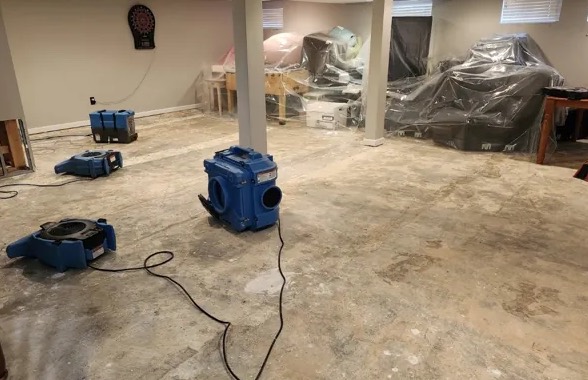
Professional Mold Structural Damage Restoration in Haw River, NC
In Haw River, treating mold damage early protects beams, joists and sheathing from sagging or failure. Structural drying after removal stabilizes the remaining materials.
In Haw River, mold that damages structure usually starts with a hidden leak that kept wood wet for months. Local water damage restoration experts, who also work in nearby Graham, Burlington and Mebane, stop the decay, remove damaged material and treat the wood that remains.
Mold Structural Damage Restoration Work Provided in Haw River
Post-Remediation Structural Drying
Structural drying removes the latent moisture that initially caused the mold problem. The process employs high-volume airflow and desiccant dehumidification to dry wall cavities, subfloors, and framing from the inside out.
Structural Wood Mold Treatment
Mold can break down wood fibers over time and weaken framing. Treatment cleans the wood and stops further decay, and badly weakened pieces are replaced.
HVAC Duct Mold Cleaning
Mold in air ducts spreads spores. Professional cleaning uses specialized brushes and vacuums to remove mold and apply treatment to inhibit regrowth.
Mold Infested Drywall Removal
Mold growth on drywall signals that moisture has penetrated the material. The removal process involves precise cutting, bagging the debris onsite, and thorough cleaning of the adjacent surfaces. The mold is removed, not just covered up.
Emergency Mold Containment Setup
Local mold remediation pros erect plastic barriers at a project's start. They use negative air machines with HEPA filtration to create a sealed work zone.
Symptoms Requiring Mold Structural Damage Restoration in Haw River
HVAC System With Dusty Smell
Mold in air ducts often circulates a dusty, musty odor whenever the heating or cooling runs.
Peeling Paint or Wallpaper
Adhesive failure and paint blistering are common signs of moisture and mold behind the surface.
Visible Mold Patches on Walls
Dark spots or fuzzy mold on drywall or wood surfaces indicate active mold damage behind the surface.
Flooring That Feels Spongy
Soft spots underfoot on laminate, tile, or wood floors often point to subfloor mold damage.
How Mold Structural Damage Restoration Works in Haw River
Step 1: Detailed Moisture Mapping
Using advanced sensors, the experts create a moisture map of all affected structural areas to guide the entire mold cleanup.
Step 2: HVAC Duct Mold Cleaning
If the HVAC system is contaminated, the ducts are cleaned to stop spores circulating.
Step 3: Contaminated Material Extraction
Mold-contaminated building materials like insulation and drywall are safely removed and disposed of according to local guidelines for mold abatement.
Step 4: Structural Integrity Restoration
Remaining wood and framing are then repaired and treated against new mold.
Leading Causes of Mold Structural Damage
Improper Drying After Water Damage
Incomplete drying after any water incident leaves hidden moisture that turns into mold within days.
Flooding From Storms
Stormwater entering a home saturates porous building materials, requiring drying to prevent structural mold damage.
Condensation in HVAC Ducts
Temperature differences in ductwork can create condensation, leading to mold growth inside the air distribution system.
Poor Bathroom Ventilation
Shower steam with no exhaust fan leads to moisture buildup on walls and ceilings, encouraging mold.
Home and Business Mold Structural Damage Restoration Serving Haw River
Residential Mold Structural Damage Restoration
A residential mold inspection may reveal growth behind walls from slow leaks. The pros then remove drywall and treat structural wood to reach hidden mold.
Commercial Mold Structural Damage Restoration
Restaurants or hotels need discreet, efficient mold and mildew removal to protect reputation. Experts remove insulation and dry the structure with little disruption to guests or customers.
DIY Mold Removal vs. Professional Mold Structural Damage Restoration in Haw River
If a musty smell suggests hidden mold, a homeowner can avoid the area and limit airflow by closing doors to contain spores temporarily. For safe black mold removal, schedule professional testing to find the full extent of the damage.
Cost Considerations for Mold Structural Damage Restoration in Haw River
Price depends on how much moldy material must be removed and how complex the repairs to load-bearing parts are.
Structural Drying
Post-remediation structural drying duration and the number of air movers or dehumidifiers needed influence the overall timeline and cost.
Extent of Damage
The square footage of mold-compromised structural materials, from a small section to an entire wall system, dictates labor and material needs.
Demolition Scope
Removing mold damaged flooring or contaminated insulation increases debris disposal costs and replacement material expenses.
Does Insurance Cover Mold Structural Damage Restoration?
Mold damage restoration coverage is a complex insurance matter. Many policies limit or exclude mold unless it originates from a sudden, accidental discharge. The specialists document the structural repairs needed. Ask your insurer about coverage for mold cleanup and drying before work starts.
Reasons to Select Local Experts for Mold Structural Damage Restoration
IICRC-Standard Remediation
Methods follow industry guidelines for safe mold abatement and structural repair, focusing on containment and proper removal.
Detailed Damage Documentation
Pros document all affected areas with photos and moisture data, which can assist in your insurance claim process.
Structural Damage Focus
The work prioritizes assessing and addressing compromised load-bearing elements and building materials, not just surface mold cleanup.
24/7 Emergency Mold Structural Damage Restoration Response in Haw River
For emergency mold containment setup to stop structural damage from spreading, call (336) 594-2415 at any hour. Early work by the experts can help secure the area and begin assessment.
Call Now (336) 594-2415Mold Structural Damage Restoration in Haw River and Other Areas Served
The places below are also served, and each one has its own page.
- Mold Structural Damage Restoration in Graham
- Mold Structural Damage Restoration in Burlington
- Mold Structural Damage Restoration in Mebane
- Mold Structural Damage Restoration in Glen Raven
- Mold Structural Damage Restoration in Alamance
- Mold Structural Damage Restoration in Madison
- Mold Structural Damage Restoration in Snow Camp
- Mold Structural Damage Restoration in Mayodan
Frequently Asked Questions About Mold Structural Damage Restoration
How long does mold structural damage restoration typically take?
The timeline depends on the scope, but a project can range from a few days for a localized issue to a week or more for extensive structural damage repair.
Does mold testing happen before and after restoration?
Pre-testing can identify spore types and levels. Testing after remediation is standard to confirm cleanup and drying worked.
Why is emergency mold containment setup important?
Containment with plastic sheeting and negative air pressure isolates the work area, preventing mold spores from spreading to clean parts of your home during remediation.
What happens during post-remediation structural drying?
After mold removal and repairs, industrial dehumidifiers and air movers dry out new materials and adjacent structures to prevent residual moisture from causing new mold growth.
Why is structural drying a separate phase after mold removal?
Drying removes moisture left from the leak or the remediation, which prevents mold from coming back.