Belmont, NC · Gaston County
Mold Spore Removal in Belmont, NCBlack Mold Remediation & Wall Cavity Mold Cleaning
Mold Spore Removal in Belmont includes attic mold spore removal, crawl space mold remediation, and HVAC duct mold cleaning.
Answered 24/7
Professional Mold Spore Removal in Belmont, NC
Mold spore removal in Belmont protects against unseen damage that weakens building materials over time. Mold in house often lurks in damp basements or attics, requiring expert attention. A comprehensive mold inspection reveals the full extent.
In Belmont, mold spore removal targets attics and crawl spaces prone to contamination. Local mold removal specialists serve this area and nearby places like Mount Holly, Gastonia and Charlotte with mold cleanup. Their methods include HEPA filtration and source elimination.
The Mold Spore Removal Process for Belmont Homes
Black Mold Remediation
Remediation of black mold focuses on safely removing contaminated porous materials that cannot be adequately cleaned and applying antimicrobial agents to underlying surfaces to inhibit future growth.
Wall Cavity Mold Cleaning
Removing mold from within walls in Belmont is crucial because concealed colonies continue to release spores into the living environment, potentially affecting air quality and occupant health.
HVAC Duct Mold Cleaning
When mold is in the ducts, every time the system runs it can distribute spores to every room, making professional duct cleaning a key part of comprehensive mold spore removal in Belmont.
Crawl Space Mold Remediation
Proper remediation in the crawl space is essential as air currents can carry spores upward into the main living areas of homes in Belmont, impacting indoor air quality.
Attic Mold Spore Removal
The process involves inspecting and cleaning roof sheathing, rafters, and insulation, where spores can become deeply embedded, often necessitating the removal and replacement of contaminated insulation materials.
When to Consider Mold Spore Removal in Belmont
Health Issues After Water Incident
New respiratory problems or headaches after a leak point to mold health risks. Airborne spores can affect indoor air quality significantly.
Visible Mold Patches or Stains
Discolored patches on walls, ceilings, or baseboards often indicate mold. These spots may be black, green, or white and can spread quickly.
Recent Water Damage History
Past leaks or flooding create perfect conditions for mold. If a space was ever wet, mold spore removal may be needed.
Peeling Paint or Warped Walls
Paint that bubbles or wallpaper that peels often hides moisture and mold. Warped drywall is another sign of hidden water damage.
How Mold Spore Removal Works in Belmont
Step 1: Initial Mold Testing and Air Sampling
Air and surface samples may be taken to identify spore types and concentration levels. This mold testing Belmont property owners might need guides the remediation plan.
Step 2: Source Removal and Demolition
Contaminated drywall, insulation, or flooring is carefully removed under containment. This step addresses the root of the mold in house structures directly.
Step 3: HEPA Vacuuming and Detailed Cleaning
All surfaces in the containment zone are HEPA-vacuumed and cleaned with antimicrobial agents. This mold cleanup removes settled spores from remaining materials.
Step 4: Drying and Dehumidification Process
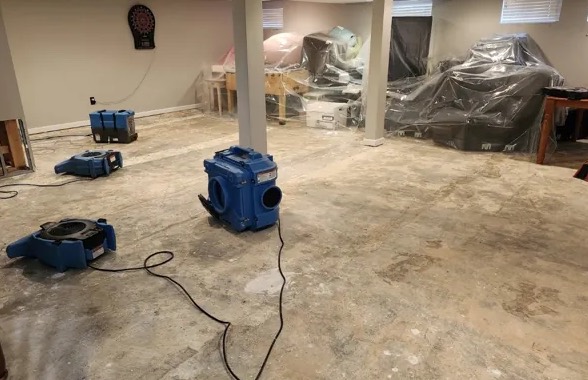
Industrial dehumidifiers and air movers ensure the area is completely dry. Proper drying is a key part of post-flood mold prevention and stopping recurrence.
Typical Sources of Mold Spores in Belmont
Foundation Cracks and Water Seepage
Cracks in a foundation or basement walls allow groundwater inside. This creates damp conditions ideal for mold in house foundations.
Flooding From Storms or Appliances
Major water events saturate building materials beyond normal drying. Post-flood mold prevention is critical to stop spore growth later.
Roof Leaks and Compromised Flashing
Water intrusion from a damaged roof soaks insulation and drywall. Attic mold spore removal is often needed after such leaks.
Inadequate Bathroom Exhaust Fans
Steam from showers without proper ventilation settles on surfaces. Over time, this leads to mildew and mold on ceilings and walls.
Mold Spore Removal for Homes and Businesses in Belmont
Residential Mold Spore Removal
Residential mold spore removal focuses on areas like bathrooms, basements, and under sinks where moisture collects. The experts use precise methods for wall cavity mold cleaning to safeguard your home's structure.
Commercial Mold Spore Removal
Warehouses and industrial facilities may need crawl space mold remediation due to size and accessibility challenges. Professional mold removal in these settings ensures business continuity and addresses unique air volume concerns.
Why Mold Spore Removal Often Requires Mold Removal Specialists in Belmont
For minor surface mildew on non-porous tiles, cleaning with detergent may work. However, mold spore removal on porous drywall or wood needs professional mold abatement. The specialists use containment to prevent cross-contamination during cleanup.
Investing in Mold Spore Removal for Your Belmont Property
When considering mold removal in Belmont, the price reflects the specific procedures needed, such as contained removal for sensitive areas. The duration of the project and the extent of preventative treatments applied are cost considerations.
Preventative Treatments
Applying antimicrobial coatings or implementing post-flood mold prevention strategies after cleanup adds to the material costs and scope of the service.
Air Quality Restoration
The need for mold spore air scrubbing with HEPA filtration units to clean airborne spores adds a significant equipment and labor component.
Structural Materials Affected
Whether mold is on drywall, wood, or insulation changes the removal and replacement procedures, which directly impacts material and labor expenses.
Does Insurance Cover Mold Spore Removal?
Insurance coverage for mold in house claims is not automatic. Insurers need evidence linking mold to a covered incident. The specialists provide damage documentation to support a homeowner's submission to their insurer.
Benefits of Hiring Local Specialists for Mold Spore Removal in Belmont
IICRC-Standard Remediation Methods
The specialists adhere to industry-established protocols for containment, removal, and cleaning to address mold contamination thoroughly and safely.
Moisture Control Guidance
You receive information on managing humidity and moisture levels in your home to support long-term prevention after remediation.
Comprehensive Service Range
From attic and crawl space mold remediation to HVAC duct cleaning, a full scope of mold services is available.
Immediate Emergency Mold Spore Removal for Belmont
For emergency attic mold spore removal or crawl space mold remediation, a professional service can limit damage. Contact the specialists at (336) 594-2415 for 24/7 assistance in Belmont and the surrounding area.
Call Now (336) 594-2415Mold Spore Removal for Homes in Belmont
Other places served are listed below, each with its own page.
Your Mold Spore Removal Questions Addressed
Why is containment critical during mold spore cleaning?
Containment with plastic sheeting and negative air pressure prevents mold spores from spreading to clean areas of your home during the removal and cleaning process.
What does post-flood mold prevention typically include?
Prevention focuses on rapid structural drying, applying mold-inhibiting treatments to affected materials, and providing guidance on maintaining lower humidity levels in the recovered space.
Can mold grow back after professional mold removal?
If the underlying moisture source is not corrected, mold can return. Proper remediation includes identifying and helping you address the moisture cause to prevent recurrence.
How long does professional black mold remediation typically take?
The timeline varies with the extent, but a standard remediation project for a contained area often requires several days for drying and clearance verification after work.
What is involved in HVAC duct mold cleaning?
Specialized agitation and vacuum equipment is used to dislodge and remove mold from duct interiors, followed by applying EPA-registered antimicrobial products to inhibit regrowth.