Lincolnton, NC · Lincoln County
HVAC Fire Damage Cleanup in Lincolnton, NCAir Quality Testing Post-Cleanup & HVAC Soot
HVAC filter replacement, post-fire duct sanitization, and smoke odor neutralization are elements of HVAC Fire Damage Cleanup in Lincolnton.
Answered 24/7
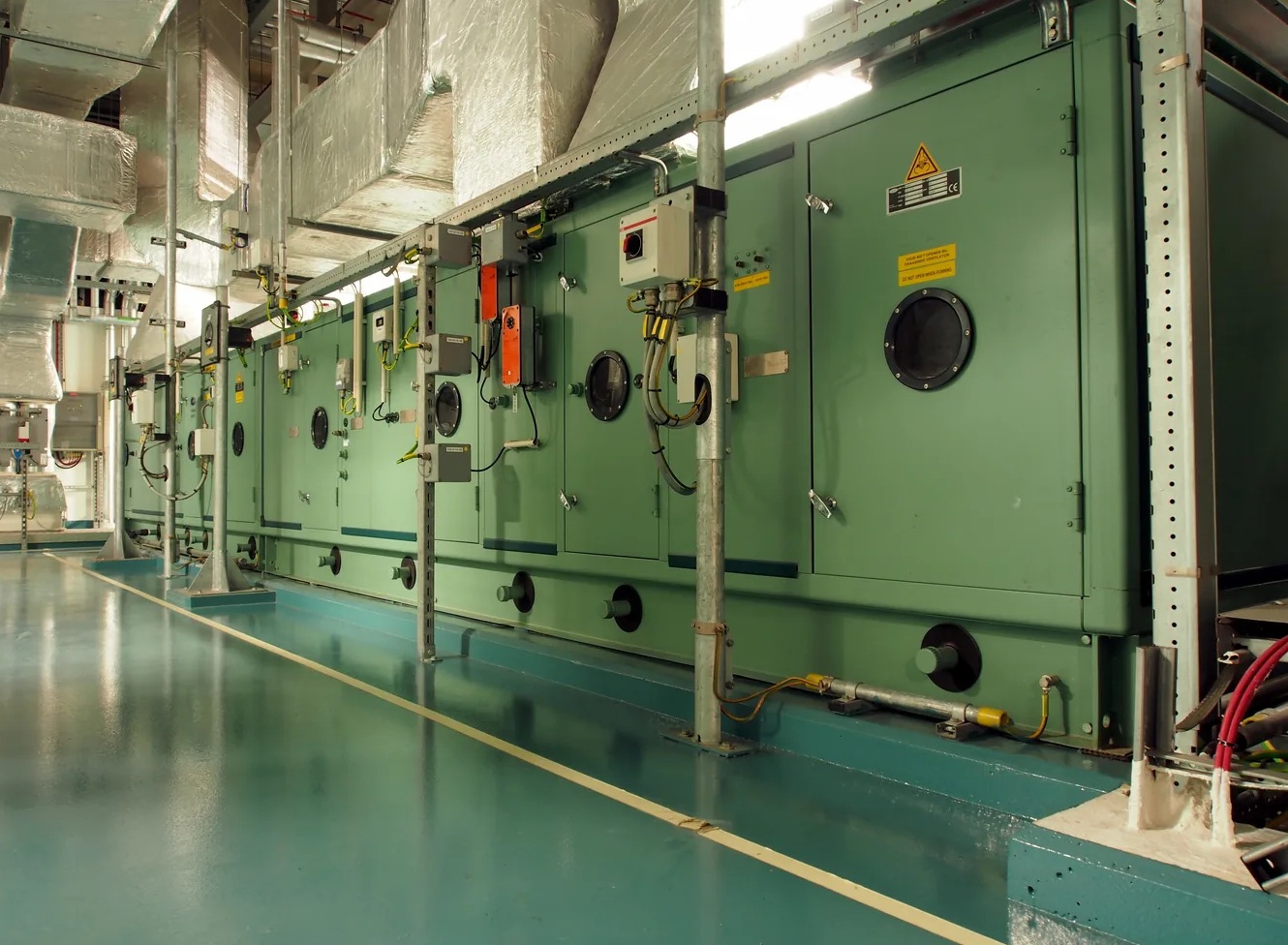
Expert HVAC Fire Damage Cleanup for Lincolnton Homes and Businesses
HVAC filter replacement after fire is critical because filters trap soot and become clogged rapidly, restricting airflow. Using a contaminated filter can strain your system and redistribute pollutants throughout your home.
In Lincolnton and nearby communities, fire damaged HVAC duct cleaning is essential after a fire. Soot's acidic nature can corrode metal ducts. Local HVAC fire damage cleanup pros perform post-fire duct sanitization to neutralize these residues.
HVAC Fire Damage Cleanup Offerings in Lincolnton, NC
Air Quality Testing Post-Cleanup
Testing indoor air quality after HVAC cleaning delivers measurable results. Professionals use particle counters and air sampling pumps at supply vents. This confirms soot and pollutants are no longer emitted.
HVAC Soot
Soot accumulation inside your HVAC system after a fire can cause operational issues and circulate contaminants. The pros perform a thorough removal of all fire-related debris from critical system parts.
HVAC Fire Damage Cleanup
An HVAC system impacted by fire needs immediate attention to stop secondary damage. The pros handle HVAC fire damage cleanup with procedures for these complex systems, dislodging and extracting particulate matter from sensitive equipment.
Emergency HVAC System Shutdown
An emergency HVAC shutdown aims for containment. Stopping airflow isolates damage to fire-affected areas. This proactive step limits the extent of required cleanup.
Smoke Odor Neutralization
Smoke odor neutralization tackles persistent smells in ductwork. Deodorizing agents like oxidizing foggers alter odor molecules. This breaks down the smoky smell at its source for fresh air.
Warning Signs You Need HVAC Fire Damage Cleanup
Activation of Smoke Alarms From HVAC
Smoke detectors triggering when the HVAC system turns on is a severe sign of active particulate circulation needing emergency cleaning.
Uneven Heating or Cooling Post-Fire
Temperature inconsistencies in different rooms can be caused by blocked vents or registers from fire damage air quality issues.
Soot Buildup on Furnace or AC Coils
Visible soot accumulation on internal HVAC coils reduces efficiency and requires professional cleaning for fire damaged HVAC duct cleaning.
Visible Soot Around Air Vents
Black dust or smudges near your vents and registers are clear indicators of smoke damage circulating through your ducts.
How HVAC Fire Damage Cleanup Works in Lincolnton
Step 1: Source Identification and Inspection
The inspection locates the main pathways of smoke intrusion into the ductwork. Understanding this flow is essential for planning an effective post fire HVAC cleaning strategy for the entire system.
Step 2: Dry Soot and Debris Extraction
The bulk of dry soot is vacuumed out using high-powered HEPA-filtered extraction units. This soot removal from air ducts is a dry process to avoid creating mud-like residues inside the ducts.
Step 3: Detailed Component Cleaning
Attention turns to individual components like the heat exchanger, drip pan, and accessible duct sections. This blower motor and coil cleaning step requires careful disassembly and manual cleaning by the pros.
Step 4: Final Air Scrubbing and Filtration
Air scrubbers with HEPA filters run to purify the air in the home. This final polish captures airborne particles released during cleaning, completing the air quality testing post-cleanup preparation phase.
Causes of Soot in Ducts for HVAC Fire Damage Cleanup
Thermal Expansion During the Fire
Intense heat can cause metal ductwork to expand and contract, potentially opening seams that allow soot to enter enclosed spaces.
Chemical Residues From Burning Materials
Modern furnishings and building materials release acidic, corrosive chemicals when burned, which coat and damage HVAC components.
Improper Use of HVAC After Fire
Running the heating or cooling system before cleanup spreads soot and odor throughout the entire home, worsening the contamination.
Water and Chemical Residue From Firefighting
Water and fire retardant chemicals used to extinguish flames can mix with soot, creating a corrosive slurry inside air ducts.
HVAC Fire Damage Cleanup for Homes and Businesses in Lincolnton
Residential HVAC Fire Damage Cleanup
Homeowners face lingering smoke odors and soot circulation after a fire. Specialized post-fire duct sanitization and vent cleaning target embedded residues. This process, handled by the pros, is key to making a home livable.
Commercial HVAC Fire Damage Cleanup
Commercial HVAC systems are larger and more complex, with extensive duct runs. Soot contamination impacts air quality across entire floors. The pros use industrial-scale equipment for blower motor and coil cleaning.
Hiring Local Pros for HVAC Fire Damage Cleanup in Lincolnton
Wipe down accessible exterior vent covers with a damp cloth to remove surface soot. Do not use chemical cleaners or clean inside ducts. For vent cleaning for smoke damage, rely on the pros.
Factors Influencing HVAC Fire Damage Cleanup Cost in Lincolnton
Your final investment for HVAC system restoration after a fire is shaped by whether emergency HVAC system shutdown was required and the complexity of blower motor and coil cleaning.
Emergency Service Needs
If emergency HVAC system shutdown and professional service are required, it can influence the project's initial mobilization and assessment phase.
Odor Neutralization Complexity
Stubborn smoke smells that permeate insulation or building materials may require advanced odor removal after fire in HVAC techniques.
Accessibility of Components
Easily accessed vents and a readily available air handler simplify the process of cleaning soot from vents and blower motors.
Does Insurance Cover HVAC Fire Damage Cleanup?
For odor removal after fire in HVAC, the insurer evaluates policy language on debris removal. Pros document the necessity of smoke odor neutralization. Reimbursement decisions are made by the insurer.
Advantages of Hiring HVAC Fire Damage Cleanup Pros in Lincolnton
Post-Cleanup Air Quality Verification
Air quality testing post-cleanup provides tangible data that the HVAC system restoration after fire has achieved a healthier environment.
IICRC-Standard Cleaning Protocols
Methods follow industry standards for soot removal from air ducts and HVAC decontamination after smoke, addressing particulate and residue properly.
Thorough Vent and Register Cleaning
Focus on cleaning soot from vents ensures airflow pathways are clear and contaminants are removed from accessible surfaces.
Initial Assessment HVAC Fire Damage Cleanup in Lincolnton
A fire event requires prompt attention to your heating and cooling system to prevent further soot distribution. For urgent HVAC decontamination after smoke response in the Lincolnton area, call (336) 594-2415 anytime, day or night.
Call Now (336) 594-2415HVAC Fire Damage Cleanup Service Area Includes Lincolnton
Other places served are listed below, each with its own page.
Common HVAC Fire Damage Cleanup Questions Answered
Why is HVAC decontamination after smoke important?
Smoke carries fine particles and chemicals that adhere to duct surfaces. Decontamination cleans these residues to prevent them from off-gassing and affecting your home's air long-term.
What happens during emergency HVAC system shutdown?
A professional will safely power down the system at the thermostat and circuit breaker to immediately stop the circulation of soot-laden air throughout your home.
What is the goal of air duct smoke damage cleanup?
The goal is to restore your HVAC system to safe, efficient operation by eliminating soot deposits and smoke residues. This involves cleaning all affected components and addressing lingering odors.
What steps are part of HVAC system restoration after fire?
Steps typically are emergency shutdown, detailed inspection, thorough cleaning of all components, replacement of damaged parts like filters, sanitization, and final air quality verification to ensure completeness.
Is air duct soot removal a messy process?
Professionals use containment methods like negative air machines and seal access points to prevent soot from escaping into your living spaces during the cleaning.