Whitsett, NC · Guilford County
Heating Unit Mold Cleanup in Whitsett, NCHVAC Mold Inspection & Furnace Mold Cleanup
Heating Unit Mold Cleanup in Whitsett includes HVAC mold inspection, air duct mold remediation, furnace mold cleanup, and air handler sanitization.
Answered 24/7
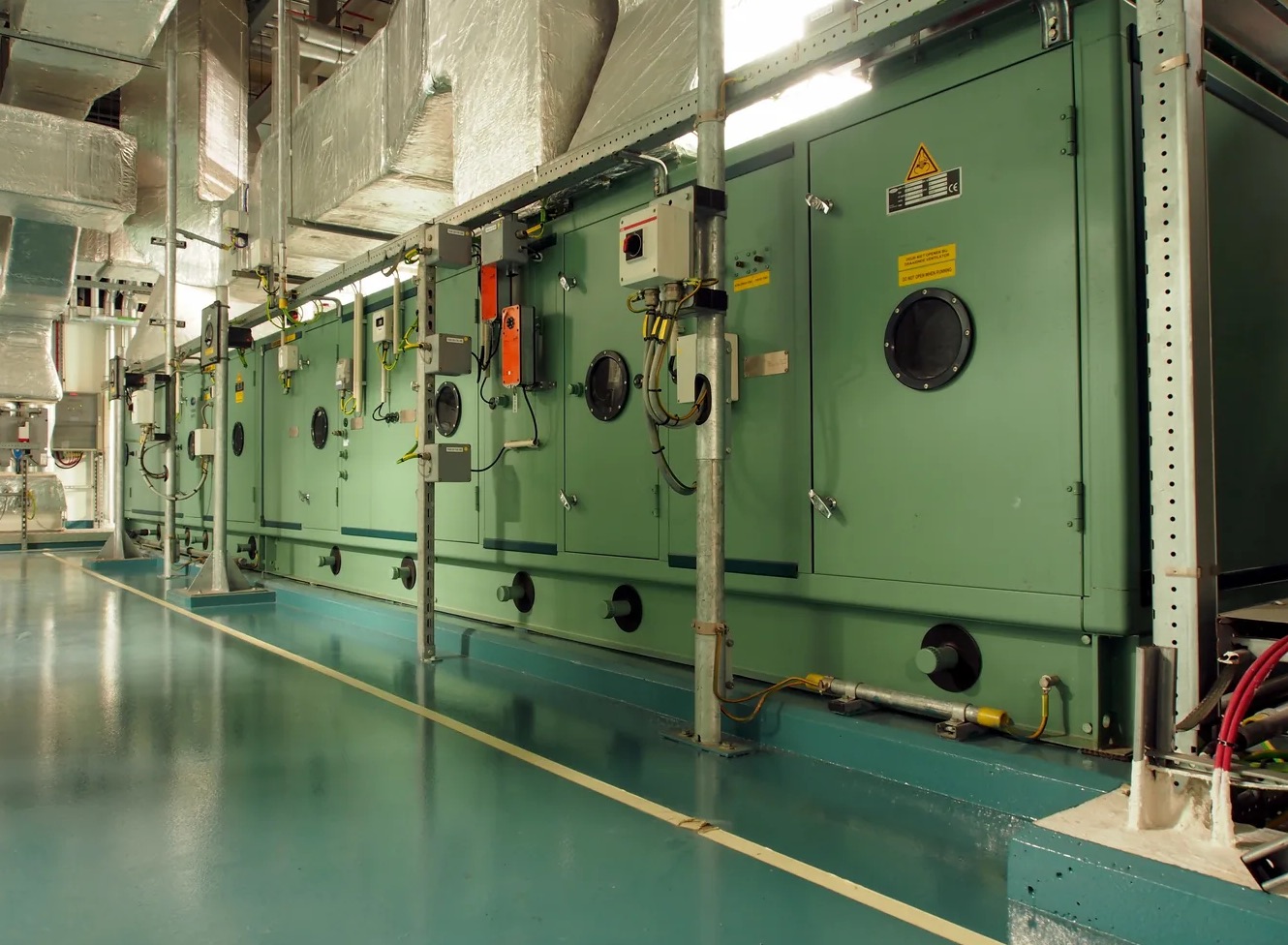
Expert Heating Unit Mold Cleanup for Homes in Whitsett
A mold-contaminated heating unit in a property can provoke persistent allergy symptoms and place undue strain on mechanical components. This scenario underscores the necessity for heating unit mold removal and concurrent air duct disinfection.
Heating unit mold cleanup is available in Whitsett and nearby areas like Gibsonville, Elon and Alamance. Mold in HVAC systems spreads quickly through the ducts and into indoor air. Local mold remediation pros tailor the work to each home.
Available Heating Unit Mold Cleanup Procedures in Whitsett
HVAC Mold Inspection
HVAC mold inspection identifies mold in air handlers, coils, and ducts. The pros use moisture meters to find hidden contamination. This assessment is the first step for heating unit mold cleanup in Whitsett.
Furnace Mold Cleanup
Mold remediation for furnaces focuses on interior panels and the filter rack. The pros remove mold causing odors. This precise work is necessary for heating unit mold cleanup.
Air Duct Mold Remediation
Cleaning mold from ducts addresses the system of supply and return vents throughout a home. The pros mechanically agitate and extract visible mold and debris. Cleanup and system repair depend on it.
Ductwork Mold Sealing
The pros apply professional-grade sealants to all duct joints and connections. This creates a more controlled system, enhancing the long-term success of heating unit mold cleanup.
Air Handler Mold Sanitization
Post-cleanup sanitization targets remaining microbial populations. The pros apply treatments safe for the system. This is standard in thorough heating unit mold cleanup.
Symptoms That Call for Heating Unit Mold Cleanup
Mold in Furnace Cabinet
Opening the furnace panel and finding mold means spores are likely distributed throughout the entire forced air system.
Black Specks in Airflow
Seeing small black particles blowing from vents is a direct indicator of mold spore release from ductwork.
Recent Water Damage Nearby
Past leaks or flooding near the HVAC unit can lead to hidden mold growth inside the heating system components.
Clogged Air Filters Quickly
Air filters that become dirty unusually fast can be trapping mold spores from contaminated ductwork or air handler.
How Heating Unit Mold Cleanup Works in Whitsett
Step 1: HVAC Mold Inspection and Assessment
The pros begin with a thorough visual and camera inspection of the entire heating system, air ducts, and furnace to map mold contamination.
Step 2: Air Duct Mold Remediation and Cleaning
Using specialized agitation tools and HEPA vacuuming, they remove mold and debris from all ductwork, focusing on heating vents and registers.
Step 3: Furnace and Coil Mold Removal
The furnace cabinet, heat exchanger and evaporator coil are cleaned and sanitized to remove mold at the source.
Step 4: Post-Remediation Air Testing and Verification
Air testing after cleaning confirms that spore counts in the home have dropped to normal levels.
Why Mold Develops in Heating and Cooling Systems
Condensate Drain Line Clogs
A blocked AC drain pan or line causes water overflow into the air handler and ductwork, leading to mold growth.
Dirty or Missing Air Filters
Clogged filters reduce airflow and cause evaporator coils to freeze and thaw, creating wet conditions ideal for mold.
Undersized or Faulty Dehumidifiers
An HVAC system that fails to properly dehumidify the air allows moisture to accumulate inside ductwork and vents.
Air Duct Leaks and Gaps
Leaky ductwork pulls in humid air from attics or crawl spaces, depositing moisture that fosters mold inside the ducts.
Both Residential & Commercial Heating Unit Mold Cleanup in Whitsett
Residential Heating Unit Mold Cleanup
For houses, the work includes furnace mold cleaning and vent cleaning to remove both visible and hidden contamination. Clean airflow without musty odors returns to every room.
Commercial Heating Unit Mold Cleanup
Commercial HVAC systems need mold removed from every unit and duct run. The pros clean mold from all heating, cooling and air distribution parts of the building.
Heating Unit Mold Cleanup vs. DIY: When to Call Mold Remediation Pros
After minor water damage near the HVAC, drying the area thoroughly with fans is a safe initial response. Never run the heating system if you suspect internal water exposure. For confirmed or suspected mold in air ducts, professional air duct mold remediation by the pros is the correct course of action.
What Affects Heating Unit Mold Cleanup Cost in Whitsett, NC
The cost of heating unit mold cleanup in Whitsett is not a flat rate; it depends on the specific contamination level and required remediation steps for your system.
Containment Needs
Setting up proper containment to isolate the HVAC system during mold spore removal adds to material and setup expenses.
Disposal Requirements
The cost for safe disposal of contaminated materials, like insulation or filters, is factored into the final service price.
Extent of Contamination
The square footage of mold growth within the air ducts and heating unit directly influences the scope and duration of work.
Does Insurance Cover Heating Unit Mold Cleanup?
Whether a property insurance policy covers Heating Unit Mold Cleanup depends entirely on the cause of loss listed in the policy documents. Coverage is not automatic and requires the insurer's specific approval for the claim after their review.
Benefits of Local Pros for Heating Unit Mold Cleanup
IICRC-Standard Remediation Methods
Protocols for HVAC mold removal follow industry standards for containment, cleaning, and verification to address the contamination properly.
Comprehensive System Approach
The process addresses the entire air pathway, from furnace mold cleaning to vent and register cleaning, for a complete solution.
Focus on Air Quality
The goal of air handler sanitization and duct cleaning is to restore healthier indoor air by removing a contamination source.
Urgent Heating Unit Mold Cleanup Help Available in Whitsett, NC
Emergency HVAC mold inspection and cleanup operate 24/7 for visible mold in supply vents or a musty odor from the air handler. Fast heating unit mold cleanup is available by calling (336) 594-2415.
Call Now (336) 594-2415Heating Unit Mold Cleanup Service Area Including Whitsett
The places below are also served, and each one has its own page.
- Heating Unit Mold Cleanup in Gibsonville
- Heating Unit Mold Cleanup in Elon
- Heating Unit Mold Cleanup in Alamance
- Heating Unit Mold Cleanup in Glen Raven
- Heating Unit Mold Cleanup in McLeansville
- Heating Unit Mold Cleanup in Colfax
- Heating Unit Mold Cleanup in Oak Ridge
- Heating Unit Mold Cleanup in Climax
Heating Unit Mold Cleanup FAQs
When is ductwork sealing and repair recommended?
If inspection reveals leaks or gaps during mold cleanup, sealing is advised to improve efficiency and prevent future moisture intrusion that could lead to regrowth.
How often should air duct mold cleanup be performed?
There's no set schedule; it's performed reactively when mold is detected, but maintaining low humidity helps prevent conditions for mold.
Will HVAC mold inspection disrupt my home?
Inspection is minimally invasive, involving visual checks with cameras and possibly air samples, causing little to no disruption to your daily routine.
What are the signs I need HVAC mold remediation?
Musty odors from vents, visible mold on registers or inside the air handler, and increased allergy symptoms when the system runs can indicate a problem.
Can I perform heating system mold removal myself?
DIY cleaning often misses hidden mold and can spread spores through the home without containment.