Greensboro, NC · Guilford County
Floor Water Damage Restoration in Greensboro, NCConcrete Floor Drying Services & Carpet Water Extraction Services
Floor Water Damage Restoration in Greensboro covers subfloor water damage repair, emergency floor water removal and vinyl floor water damage cleanup.
Answered 24/7
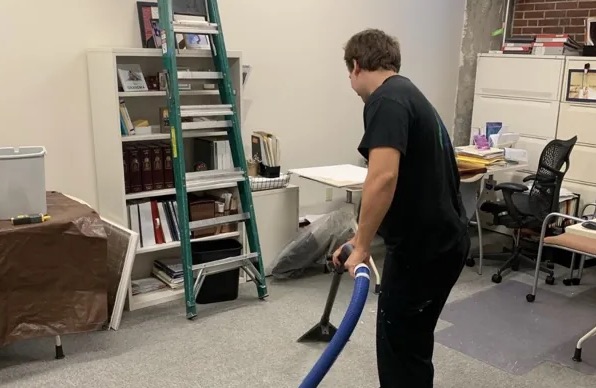
Floor Water Damage Restoration Experts Serving Greensboro, NC
Moisture trapped beneath a floor's surface is a silent problem that leads to costly repairs. In the climate around Greensboro, hidden dampness can persist and cause unseen decay.
Wet floor restoration services in Greensboro and nearby areas like Forest Oaks, Pleasant Garden and McLeansville focus on thorough moisture extraction from all flooring layers. This helps preserve the integrity of homes in Greensboro.
Floor Water Damage Restoration Solutions Available in Greensboro
Concrete Floor Drying Services
In Greensboro, water under a slab can keep humidity high. A targeted drying setup removes the moisture vapor before flooring is installed.
Carpet Water Extraction Services
Soaked carpet holds a lot of water. Local water extraction experts in Greensboro pull it from the pile and pad with truck-mounted or portable extractors.
Laminate Floor Water Damage Cleanup
Wet laminate warps and separates. The pros in Greensboro remove standing water and pull up swollen planks so the subfloor can dry.
Tile Floor Water Damage Restoration
Water under tile loosens grout and adhesive. The pros in Greensboro find the moisture with meters and dry it without tearing out the tile.
Vinyl Floor Water Damage Cleanup
For water-damaged vinyl floors in Greensboro, professionals often need to remove the material to access trapped moisture.
When to Consider Floor Water Damage Restoration in Greensboro
Tile Grout Deterioration
Crumbling or discolored grout lets water seep under tiles and soak the underlayment, often long before tiles loosen.
Musty or Damp Odors
A persistent earthy smell often means water is trapped within flooring materials, promoting microbial growth.
Laminate Floor Swelling
Swollen edges or a pillowed look on laminate planks means the fiberboard core has soaked up water and will not flatten again.
Cupping Hardwood Edges
Board edges that sit higher than the centers, called cupping, usually mean moisture is coming from below.
How Floor Water Damage Restoration Works in Greensboro
Step 1: Water Mitigation
The work starts by removing water quickly with truck-mounted extractors to keep the damage from spreading.
Step 2: Enhanced Evaporation Process
Professional-grade equipment accelerates evaporation from all wet materials. This pulls moisture out of porous surfaces that surface extraction misses.
Step 3: Moisture Monitoring and Mapping
Moisture readings are taken each day and mapped, so no wet corner of the floor is missed.
Step 4: Floor Repair and Finish
Once dry, the flooring is repaired or replaced so the floor is safe to use again.
What Leads to Wet Floors in Greensboro
Overflowing Sinks or Tubs
A bathroom or kitchen overflow can send water across the floor and down through seams into the subfloor.
Foundation Cracks and Seepage
Groundwater pushed up through cracks in a slab keeps the floor covering damp from below, even when nothing is leaking inside.
Sprinkler System Accidents
A lawn sprinkler aimed at the house or an interior fire sprinkler discharge can put a lot of water on a floor fast.
HVAC System Condensation
A clogged condensate line or a sweating air handler can drip for weeks and soak the floor around the unit without anyone noticing.
Home and Business Floor Water Damage Restoration in Greensboro
Residential Floor Water Damage Restoration
Professionals access the structural layer, remove saturated sections if needed, and apply targeted drying to wood or oriented strand board (OSB) joists and sheathing to maintain home stability.
Commercial Floor Water Damage Restoration
Pros use desiccant dehumidifiers to manage high humidity levels in large, open spaces, preventing corrosion of stored goods and ensuring a quick return to operations.
Floor Water Damage Restoration vs. DIY: When to Call the Pros
Running a dehumidifier and moving wet items out of closets help lower humidity in the room. Stay clear of outlets and cords near standing water. Hardwood and laminate usually need professional drying equipment to dry all the way through.
Factors Affecting Floor Water Damage Restoration Cost in Greensboro
The cost for floor water damage restoration in Greensboro depends on materials and moisture scope. Extent of damage, subfloor condition, and drying time influence the investment.
Subfloor Damage Presence
A wet subfloor that has swelled or softened may need plywood replaced, which adds to the scope and the cost.
Water Contamination Category
Clean water from a supply line costs less to handle than gray water or sewage, which need protective gear and disinfection.
Required Drying Time
The more days the flooring takes to dry, the longer the equipment runs and the higher the labor total.
Does Insurance Cover Floor Water Damage Restoration?
Some policies pay for the water damage but not for repairing the fixture that leaked. Ask your insurer. Photos and moisture readings help, but the insurer decides what is covered.
Why Choose Local Pros for Floor Water Damage Restoration in Greensboro
EPA-Registered Antimicrobials
An antimicrobial can be applied to wet subfloor and framing during drying to help keep mold from starting.
Structural Integrity Assessment
Floors are watched during drying for swelling or soft spots that may need a contractor after the water work is done.
Material-Specific Expertise
Hardwood, laminate, tile and vinyl react to water differently, so each gets its own drying approach.
Always-Available Emergency Floor Water Damage Restoration in Greensboro, NC
Standing water on any flooring type demands early professional help. For urgent wet floor restoration assistance in North Carolina, reach out to the pros at (336) 594-2415 any time, day or night.
Call Now (336) 594-2415Local Floor Water Damage Restoration Coverage for Greensboro
Other places served are listed below, each with its own page.
- Floor Water Damage Restoration in Forest Oaks
- Floor Water Damage Restoration in Pleasant Garden
- Floor Water Damage Restoration in McLeansville
- Floor Water Damage Restoration in Jamestown
- Floor Water Damage Restoration in Browns Summit
- Floor Water Damage Restoration in Summerfield
- Floor Water Damage Restoration in Climax
- Floor Water Damage Restoration in Colfax
Frequently Asked Floor Water Damage Restoration Questions
Are floor water damage services necessary for small leaks?
Even small, slow leaks can cause significant hidden damage over time, rotting subfloors and fostering mold.
How does the water source affect floor water damage cleanup?
Clean water needs standard drying. Gray or contaminated water also needs antimicrobial treatment and may mean discarding porous flooring.
Can water damaged hardwood floors always be repaired?
Often, if it is dried quickly. How badly the boards cup and how wet the subfloor is decide between refinishing and replacement.
What is included in subfloor water damage repair?
Pros remove the surface flooring, cut out and replace rotted plywood or OSB, and treat nearby wood before the floor goes back down.
Does floor water extraction remove all the moisture?
Extraction removes bulk standing water, but significant moisture remains trapped within flooring materials and the subfloor.