Harrisburg, NC · Cabarrus County
Floor Mold Removal in Harrisburg, NCFloor Mold Inspection & Concrete Slab Mold Mitigation
Comprehensive Floor Mold Removal in Harrisburg includes tile grout mold cleanup, laminate flooring mold treatment, and concrete slab mold mitigation.
Answered 24/7
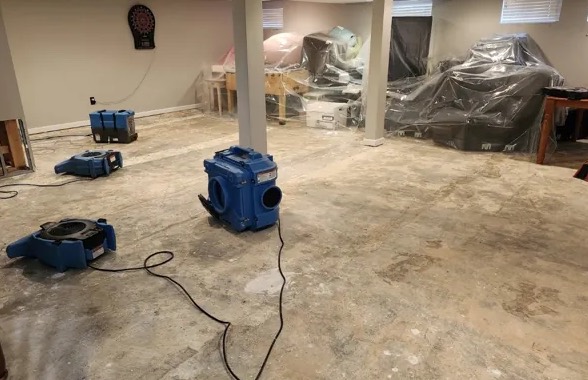
Expert Floor Mold Removal for Harrisburg Homes
Mold under floor removal in Harrisburg, safeguards against structural weaknesses and persistent odor problems. Effective floor mold cleanup reduces the risk of recurrent mold growth and associated health hazards.
In Harrisburg and nearby places like Concord, Mint Hill and Kannapolis, moldy floor cleanup prevents allergens from black mold on floor from affecting indoor air. Local floor mold removal experts use advanced techniques for flooring replacement after mold and mold inspection floor services. Their 24/7 operation caters to urgent situations.
Detailed Floor Mold Removal Process for Harrisburg
Floor Mold Inspection
A comprehensive floor mold inspection assesses the contamination level, determining if cleaning or removal is needed for your specific flooring type.
Concrete Slab Mold Mitigation
This service in Harrisburg may include installing or repairing a vapor barrier to block ground moisture from causing future mold issues on the slab.
Laminate Flooring Mold Treatment
Laminate floor mold treatment often means removing affected planks to treat the subfloor underneath, as moisture gets trapped beneath the waterproof surface.
Emergency Floor Mold Containment
This immediate action confines the hazard, simplifying the subsequent cleanup and protecting your home's unaffected areas from contamination during the repair work.
Hardwood Floor Mold Removal
For hardwood, the experts use gentle, targeted methods to lift mold stains and treat the wood without compromising its finish or structural integrity.
When to Consider Floor Mold Removal for Your Home
Soft Spots in Subflooring
Areas of the floor that feel soft or give way under pressure may indicate severe subfloor rot and mold damage restoration.
Paint Bubbling Near Floor
Paint or wallpaper bubbling on walls just above the floor line often indicates moisture wicking up, a precursor to mold.
Increased Allergy Symptoms Indoors
Unexplained allergy flare-ups, respiratory issues, or itchy eyes at home can be caused by airborne mold spores from a floor infestation.
Warped or Buckling Floorboards
Hardwood or laminate planks that are cupping, buckling, or lifting often have moisture and mold damage underneath that needs assessment.
How Floor Mold Removal Works in Harrisburg
Step 1: Floor Mold Inspection and Assessment
The experts begin with a thorough visual and moisture inspection of the affected flooring, baseboards, and subfloor to map the extent of mold contamination and moisture sources.
Step 2: Emergency Floor Mold Containment
To prevent cross-contamination, pros set up physical barriers and negative air pressure with HEPA filtration, isolating the work area from the rest of the property.
Step 3: Moldy Flooring Removal and Treatment
Irreparably damaged materials like moldy carpet, padding, or sections of subfloor are carefully removed and bagged. Salvageable surfaces undergo antimicrobial cleaning and drying.
Step 4: Final Verification and Clearance
After drying is complete, a post-remediation verification check ensures moisture levels are normalized and the area is visually clean, indicating successful floor mold remediation.
Frequent Culprits for Floor Mold Removal Needs
High Indoor Humidity Levels
Consistently high relative humidity, often from poor ventilation or AC issues, allows condensation to form on cooler floor surfaces, feeding mold.
Previous Incomplete Mold Cleanup
Attempts at mold removal services that didn't address the moisture source or fully remove contaminated materials lead to recurring mold problems.
Condensation From HVAC Systems
Improperly installed or insulated AC ductwork in floors or crawlspaces can cause condensation drip, directly wetting floor structures and insulation.
Slow Drying After Cleaning
Deep-cleaning carpets or mopping floors without adequate drying leaves residual moisture deep in padding or subflooring, inviting mold spores to grow.
Floor Mold Removal Across All Property Types in Harrisburg
Residential Floor Mold Removal
Homeowners face risks from mold spores on floor surfaces where children and pets play. The specialists provide thorough mold inspection floor services and targeted treatments for attic crawlspace floors, enclosed porches, and other vulnerable home areas.
Commercial Floor Mold Removal
Commercial properties require professional mold removal services to protect assets and reputation. Experts manage mold on floor removal in storage areas, locker rooms, and beneath commercial kitchen equipment, using industrial-grade drying and air scrubbing equipment for large spaces.
Leave Floor Mold Removal to the Local Experts
After a minor leak, air movers can help surface drying for a day. Dispose of obviously ruined items. For water in walls or under flooring, or any suspicion of black mold on floor, stop DIY and contact the pros.
Factors in Floor Mold Removal Pricing
Estimating floor mold removal cost in Harrisburg involves assessing mold damage restoration scope. The type of flooring, such as tile and grout or laminate, and whether flooring replacement after mold is needed, impacts the final service price.
Drying and Dehumidification
Effective flooring mold treatment includes thorough drying to prevent recurrence, which impacts equipment rental time and operational costs.
Subfloor Condition
Moldy subfloor removal adds significant labor and material costs, especially if structural repairs or concrete slab mold mitigation are necessary after demolition.
Post-Remediation Verification
A final mold inspection floor clearance test, using air sampling, may be recommended to confirm successful mold spores on floor elimination.
Does Insurance Cover Floor Mold Removal?
Insurance for mold under floor removal depends on whether the originating water damage is a covered loss. Many policies restrict mold claims. Local pros assist with clear documentation for review. Homeowners should understand their policy's stance.
Why Choose Local Experts for Floor Mold Removal
Safe Containment Procedures
Containment barriers and negative air pressure are used during mold removal services to isolate the work area and protect your home.
IICRC-Standard Remediation Methods
The pros follow industry-standard protocols for containment, removal, and cleaning to address mold spores on floor effectively and safely.
Structural Drying Expertise
Proper drying after moldy floor cleanup is critical, using industrial equipment to achieve dry standards and stop mold regrowth.
Around-the-Clock Floor Mold Removal Support
Unchecked mold growth poses health risks and can cause significant structural damage, like dry rot. If you suspect a serious issue, contact the specialists 24/7 by calling (336) 594-2415 for an urgent assessment.
Call Now (336) 594-2415Extended Floor Mold Removal Service Region
The places below are also served, and each one has its own page.
Essential Floor Mold Removal FAQ Guide
What precautions are taken for mold spores on floor during work?
The specialists use containment barriers, HEPA-filtered air scrubbers to capture airborne spores, and personal protective equipment to prevent cross-contamination and protect everyone's health.
When is flooring replacement after mold necessary?
Flooring replacement after mold is necessary when the material is porous and deeply infiltrated, such as with carpet and pad, heavily molded hardwood, or laminate flooring where the core is compromised.
Does carpet mold remediation always require replacement?
Not always. If mold growth is superficial and caught early, professional deep cleaning can sometimes salvage the carpet. However, mold penetration into the padding usually necessitates replacement.
Is dry rot related to floor mold issues?
Yes, dry rot is a wood decay fungus that thrives in similar damp conditions as mold. Mold damage restoration often uncovers dry rot, requiring replacement of the affected structural wood members.
What flooring is most resistant to mold growth?
Non-porous materials like ceramic tile, vinyl plank, and properly sealed concrete are most resistant. However, grout lines and subfloors beneath any flooring can still harbor mold if moisture is present.