Winston-Salem, NC · Forsyth County
Emergency Damage Restoration in Winston-Salem, NCFlood Damage Cleanup & Emergency Water Removal
Emergency Damage Restoration in Winston-Salem covers emergency water extraction, flood damage cleanup and structural drying services.
Answered 24/7
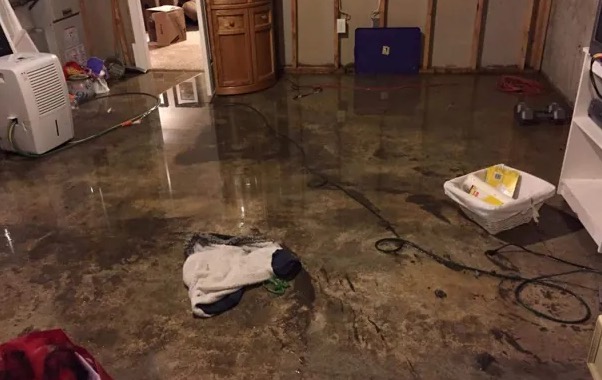
Around-the-Clock Emergency Damage Restoration in Winston-Salem
Emergency Damage Restoration in Winston-Salem covers many kinds of water: clean water from a supply line, dirty water from a drain, sewage from a backup and storm water from outside. Each needs a different level of cleanup.
Homes and businesses in Winston-Salem and nearby Walkertown, Wallburg and Clemmons face water emergencies from burst pipes, storms, floods and sewer backups. Help with emergency damage restoration covers extraction, cleanup and drying for each.
Emergency Damage Restoration Services in Winston-Salem
Flood Damage Cleanup
Flood cleanup treats outside water as contaminated, so floors and lower walls are cleaned and disinfected after removal.
Emergency Water Removal
Water from a burst pipe, overflow or appliance failure is removed as soon as possible, day or night, before it spreads to more rooms.
Structural Drying Services
Structural drying targets the materials water soaked into, using directed airflow into wall cavities and under flooring.
Sewage Backup Cleanup
After extraction, every surface the sewage touched is cleaned and disinfected before drying equipment goes in.
Emergency Water Extraction
Removing standing water within hours keeps it from wicking higher into walls and soaking further into subfloors.
When to Call for Emergency Damage Restoration in Winston-Salem
High Indoor Humidity Levels
A home or office that feels humid and clammy after a leak still has wet materials releasing moisture.
Peeling Paint or Blistering Wallpaper
Paint that peels or wallpaper that blisters usually has water behind it.
Gaps or Damage After a Storm
Missing shingles, broken windows or other storm damage can let rain into the building during the next storm.
Water Damage After a Fire
Wet ceilings, walls and floors in rooms around a fire need extraction and drying even if they did not burn.
How Emergency Damage Restoration Works in Winston-Salem
Step 1: Damage Containment
The water is stopped, wet areas are closed off and belongings are moved out of the way.
Step 2: Water Extraction Process
Water is extracted from carpet, hard floors and low spots across every affected room.
Step 3: Structural Drying
Wall cavities and subfloors get directed airflow until readings match dry areas.
Step 4: Restoration and Repair Planning
A list of removed materials and needed repairs is prepared for you and your contractor.
Common Causes of Water Damage in Winston-Salem
Roof Leaks From Storm Damage
Storm-damaged roofs let rain pour into attics, ceilings and the rooms below.
Burst or Leaking Pipes
Pipes can crack or burst from age, pressure or cold weather, releasing water quickly.
Chronic Moisture and Condensation
Ongoing condensation and humidity slowly damage walls, ceilings and framing over time.
Foundation Cracks and Seepage
Foundation cracks let groundwater seep into lower levels and finished rooms after heavy rain.
Complete Emergency Damage Restoration for Any Property in Winston-Salem
Residential Emergency Damage Restoration
Homeowners dealing with storm damage may need a tarp over the roof or broken windows while the inside is extracted and dried.
Commercial Emergency Damage Restoration
Restaurants, medical offices and schools need contaminated water cleaned up to the health rules for those spaces before reopening.
The Risks of DIY Emergency Damage Restoration in Winston-Salem
Do not walk into standing water if outlets or cords are submerged. Turn off power at the panel only if you can reach it from a dry spot, then call (336) 594-2415.
Estimating Your Emergency Damage Restoration Investment in Winston-Salem
After-hours calls, contents handling, roof tarping and drywall removal all add to the total for emergency damage restoration in Winston-Salem.
Water Category
Clean water costs less to handle than sewage or floodwater, which needs disinfection and more removal.
Affected Materials
Carpet, drywall, wood floors and cabinets each take different work to dry or replace.
Secondary Damage
Damage that spread because water sat for days adds more materials to remove and replace.
Does Insurance Cover Emergency Damage Restoration?
Photos, moisture readings and drying logs from local emergency damage restoration pros help support an insurance claim for emergency water damage in Winston-Salem.
Benefits of Local Pros for Emergency Damage Restoration in Winston-Salem
Contents Care
Furniture and belongings are moved, protected and listed so they can be dried or claimed.
Drying Equipment
Air movers and dehumidifiers are placed from readings and adjusted every day.
Industry Methods
Extraction and drying follow industry water damage standards, with readings at every visit.
Always-Available Emergency Damage Restoration for Winston-Salem
Every hour water sits, the damage grows. Call (336) 594-2415 for emergency damage restoration in Winston-Salem at any time, including nights and holidays.
Call Now (336) 594-2415Emergency Damage Restoration Available Throughout the Winston-Salem Region
Each place listed below has its own page with local details.
- Emergency Damage Restoration in Clemmons
- Emergency Damage Restoration in Lewisville
- Emergency Damage Restoration in Asheboro
- Emergency Damage Restoration in Lexington
- Emergency Damage Restoration in Salisbury
- Emergency Damage Restoration in Mount Airy
- Emergency Damage Restoration in Kannapolis
- Emergency Damage Restoration in Concord
FAQ for Emergency Damage Restoration in Winston-Salem
What steps follow the water removal after a fire?
Wet debris is removed, the structure is dried and readings confirm the rooms are ready for repair.
How does Emergency Damage Restoration usually start?
With a call, a safety check, stopping the water source and extracting standing water as soon as possible.
What equipment is used for emergency water extraction?
Submersible pumps, truck-mounted or portable extractors, air movers and dehumidifiers, plus moisture meters to track drying.
When is removal of mold needed after water damage?
When materials stayed wet long enough for mold to appear. Fast drying usually prevents it.
What is a tarp used for after storm damage?
Covering roof openings or broken windows to keep more rain out while the inside is extracted and dried.