Lincolnton, NC · Lincoln County
Emergency Damage Restoration in Lincolnton, NCStorm Damage Repair & Mold Remediation Services
Emergency Damage Restoration in Lincolnton runs from emergency water extraction and storm damage repair to structural drying services.
Answered 24/7
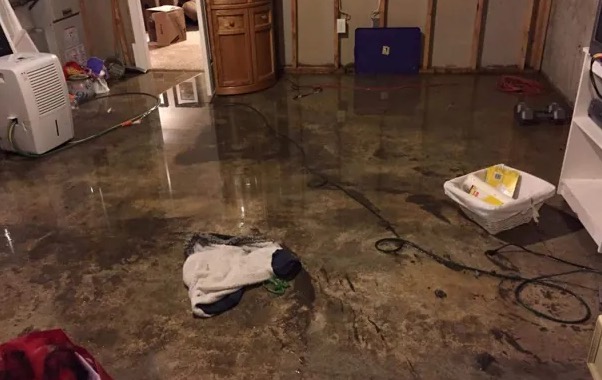
Emergency Damage Restoration Experts Serving Lincolnton, NC
Emergency Damage Restoration in Lincolnton covers many kinds of water: clean water from a supply line, dirty water from a drain, sewage from a backup and storm water from outside. Each needs a different level of cleanup.
Help with emergency damage restoration is available throughout Lincolnton and Lincoln County for houses, apartments and commercial buildings. The work includes extraction, sewage cleanup, storm water cleanup and structural drying.
Complete Emergency Damage Restoration Services in Lincolnton
Storm Damage Repair
After a storm, a tarp can cover roof openings while water that came in through the roof, windows or doors is extracted.
Mold Remediation Services
Drying quickly after any water loss is the main way to keep mold from starting in walls and floors.
Flood Damage Cleanup
Flood cleanup treats outside water as contaminated, so floors and lower walls are cleaned and disinfected after removal.
Sewage Backup Cleanup
The likely cause of the backup is noted so a plumber can clear or repair the line and prevent another one.
Emergency Water Removal
Help is available any hour, because water damage gets worse every hour it is left in place.
When to Call for Emergency Damage Restoration in Lincolnton
Discolored or Sagging Ceilings
A ceiling that is stained, bulging or sagging is holding water and may fall. Keep people clear.
Persistent Musty Odors
A musty smell that will not go away often means hidden moisture in walls, floors or the ceiling.
High Indoor Humidity Levels
A home or office that feels humid and clammy after a leak still has wet materials releasing moisture.
Water Damage After a Fire
Wet ceilings, walls and floors in rooms around a fire need extraction and drying even if they did not burn.
How Emergency Damage Restoration Works in Lincolnton
Step 1: Emergency Contact and Assessment
You call any hour, and the source, type of water and safety hazards are checked on the first visit.
Step 2: Water Extraction and Removal
Pumps and extractors remove standing water, starting where it is deepest or most damaging.
Step 3: Drying and Dehumidification
Air movers and dehumidifiers dry walls, floors and framing, with readings taken every day.
Step 4: Cleaning and Sanitizing
Surfaces touched by dirty water are cleaned and disinfected once the water is out.
Typical Origins of Severe Damage in Lincolnton Homes
Firefighting Water
Water from hoses and sprinklers used to put out a fire soaks rooms throughout the building.
Chronic Moisture and Condensation
Ongoing condensation and humidity slowly damage walls, ceilings and framing over time.
HVAC System Condensate Issues
Clogged AC condensate drains overflow into closets, attics and the ceilings of the rooms below.
Roof Leaks From Storm Damage
Storm-damaged roofs let rain pour into attics, ceilings and the rooms below.
Residential and Commercial Emergency Damage Restoration in Lincolnton
Residential Emergency Damage Restoration
Families with young children or pets should stay out of areas with sewage or floodwater until cleanup is finished.
Commercial Emergency Damage Restoration
Property managers with several units or buildings get separate records for each, which keeps claims and repairs organized.
Professional Emergency Damage Restoration or DIY Repair in Lincolnton
Sewage and floodwater should not be cleaned up without gloves, boots and eye protection. For any backup or flood inside the house, call local water damage restoration experts.
Emergency Damage Restoration Cost in Lincolnton, NC
Sewage, floodwater and multi-story damage in Lincolnton cost more to clean up than a clean water leak in one room.
Damage Extent
More rooms and materials affected means more extraction, removal and drying time.
Duration of Work
Drying often takes several days, and night or holiday calls can cost more than scheduled visits.
Access Complexity
Multi-story buildings, crawl spaces and attics take more time to reach and work in.
Does Insurance Cover Emergency Damage Restoration?
Many homeowner policies cover sudden water damage, like a burst pipe, but exclude outside flooding and sometimes sewer backups. Check your policy and call your insurer early.
Advantages of Hiring Local Pros in Lincolnton for Emergency Damage Restoration
Hazard Control
Electrical hazards, sagging ceilings and contaminated water are dealt with before cleanup begins.
24/7 Emergency Response
Help is available day or night, because water emergencies cannot wait for business hours.
Drying Equipment
Air movers and dehumidifiers are placed from readings and adjusted every day.
24/7 Emergency Damage Restoration Response for Lincolnton Properties
If a ceiling is sagging or water is near outlets, leave the room and shut off power if it is safe. Then call (336) 594-2415 for help in Lincolnton.
Call Now (336) 594-2415Emergency Damage Restoration Available Throughout the Lincolnton Region
Help with emergency damage restoration is available across Lincolnton, including emergency water extraction and flood damage cleanup.
- Emergency Damage Restoration in Asheboro
- Emergency Damage Restoration in Belmont
- Emergency Damage Restoration in Boone
- Emergency Damage Restoration in Charlotte
- Emergency Damage Restoration in Clemmons
- Emergency Damage Restoration in Concord
- Emergency Damage Restoration in Cornelius
- Emergency Damage Restoration in Davidson
Your Emergency Damage Restoration Questions Addressed
What is a tarp used for after storm damage?
Covering roof openings or broken windows to keep more rain out while the inside is extracted and dried.
What is involved in emergency water extraction?
Stopping the water, making power safe, pumping and extracting standing water and starting drying.
What makes a water damage situation an emergency?
Water that is still spreading, sewage, sagging ceilings, water near electrical systems or flooding in several rooms.
What happens during the structural drying phase?
Air movers and dehumidifiers run continuously, and readings are taken daily until materials are dry.
What happens to water damage after a fire?
Firefighting water is extracted, soaked materials are removed and the rooms around the fire are dried.