Mount Holly, NC · Gaston County
Ceiling Mold Removal in Mount Holly, NCCeiling Mold Inspection & Ceiling Mold Cleanup
Ceiling Mold Removal involves ceiling mold testing, black mold ceiling removal, and ceiling mold remediation in Mount Holly.
Answered 24/7
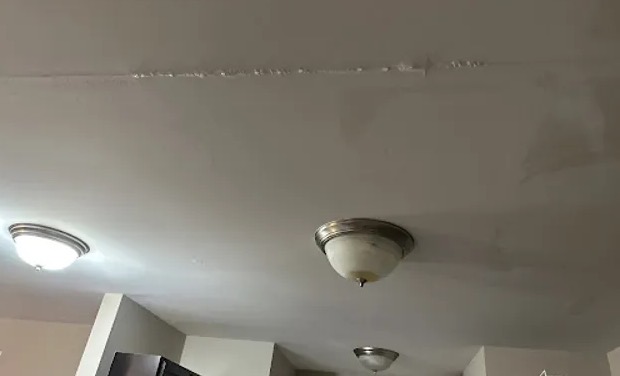
Professional Ceiling Mold Removal in Mount Holly, NC
Addressing ceiling mold promptly in Mount Holly is key. Mold in ceiling removal cost considerations often relate to the damage extent. Delaying can lead to more extensive ceiling mold remediation needs.
Local mold removal specialists focus on eliminating the source. They handle ceiling mold inspection and water damage ceiling mold. Their service area includes Belmont, Gastonia and Charlotte and nearby communities. Careful work practices prevent cross-contamination.
Ceiling Mold Removal Services in Mount Holly
Ceiling Mold Inspection
Inspecting for ceiling mold involves more than spotting visible patches. Local mold removal specialists examine ventilation, humidity, and water intrusion points to understand the cause. This guides remediation for a lasting solution in Mount Holly.
Ceiling Mold Cleanup
Mold cleanup on ceilings includes detailed cleaning of joists, beams, and surrounding areas. The specialists apply antimicrobial coatings to inhibit future growth. Proper cleanup is key for complete ceiling mold removal services in Mount Holly.
Black Mold Ceiling Removal
Black mold ceiling removal addresses health risks from Stachybotrys exposure. The specialists focus on complete removal of contaminated materials, aggressive cleaning and antimicrobial treatment. This helps restore a safe environment.
Ceiling Mold Remediation
Complete ceiling mold remediation addresses every aspect of fungal contamination. The specialists use specialized equipment like HEPA scrubbers to achieve IICRC-standard results. Thorough remediation restores indoor air quality for residents in Mount Holly.
Water Damage Ceiling Mold
Water damage ceiling mold remediation begins with structural drying. The specialists use dehumidifiers and air movers. They remove moldy materials. This dual approach creates a durable fix.
Warning Signs You Need Ceiling Mold Removal
History of Roof or Plumbing Leaks
Past leaks from roofs or upstairs plumbing are a major cause of recurring ceiling mold problems needing expert removal.
Dampness or Moisture on Ceiling Surface
Feeling dampness or seeing moisture beads on a ceiling surface is a direct warning sign of active mold conditions.
Discolored or Stained Ceiling Tiles
Discoloration on acoustic or drop ceiling tiles is a clear sign of moisture issues and potential ceiling mold cleanup.
Health Symptoms That Improve Outdoors
If respiratory symptoms lessen when you leave your home, it suggests an indoor air quality issue like ceiling mold.
How Ceiling Mold Removal Works in Mount Holly
Step 1: Initial Consultation and Damage Documentation
The job starts with documenting the visible mold and water damage for insurance purposes. Photos and moisture readings create a record for your claim.
Step 2: Isolation of the Contaminated Ceiling Area
The work area is isolated with plastic sheeting to create a containment chamber. This is a standard practice in professional ceiling mold remediation.
Step 3: Mold Removal and Structural Cleaning
The specialists physically remove the growth and clean all structural surfaces. Non-porous materials are salvaged through deep cleaning and sanitizing.
Step 4: Dehumidification and Moisture Verification
Industrial dehumidifiers and fans dry the space completely. Moisture meters verify that all materials are dry to prevent immediate mold regrowth.
Common Causes of Ceiling Mold in Mount Holly
Poor Attic Ventilation and Insulation
Insufficient attic ventilation traps warm, moist air that condenses on roof sheathing and drips onto the ceiling below.
Leaking Windows or Improper Flashing
Water intrusion around windows or from faulty flashing can travel into wall cavities and up to the ceiling area.
Plumbing Leaks in Upper Floor Walls
Leaking pipes inside walls or above ceilings release water slowly, often causing hidden black mold on ceiling growth.
Bathroom and Kitchen Ventilation Issues
Inadequate exhaust fans let steam from showers and cooking settle on ceilings, creating moisture for mold on ceiling removal.
House and Office Ceiling Mold Removal in Mount Holly, NC
Residential Ceiling Mold Removal
Homeowners face ceiling mold from attic condensation or slow leaks. The specialists in Mount Holly perform thorough ceiling mold cleanup. They remove contaminated drywall and resolve the moisture issue to prevent recurrence.
Commercial Ceiling Mold Removal
Commercial properties like retail stores need thorough ceiling mold remediation to maintain a safe environment. Specialists handle water damage ceiling mold in large, open spaces with industrial-grade air scrubbers and drying equipment.
Ceiling Mold Removal: DIY Risks and Pro Benefits in Mount Holly
Improving ventilation helps prevent new mold. Run the bathroom exhaust fan during and after showers. If mold returns, a deeper moisture problem likely needs professional inspection.
Pricing for Ceiling Mold Removal in Mount Holly, NC
Mold in ceiling removal cost considerations include the time for drying after water damage and the type of antimicrobial treatments applied. These steps aim for a complete and lasting solution.
Ceiling Material and Accessibility
Removing mold from textured popcorn ceilings or high vaulted ceilings often requires more time and careful techniques than working on flat drywall.
Local Disposal Regulations
Proper bagging and disposal of mold-contaminated materials according to local guidelines incur specific fees that are part of the service cost.
Emergency Service Timing
Responding to urgent ceiling mold situations outside of standard business hours may involve different rate structures for the professional service and work.
Does Insurance Cover Ceiling Mold Removal?
Homeowners insurance may contribute to ceiling mold remediation costs if linked to a covered peril. Insurers investigate the moisture origin. The homeowner files the claim and discusses covered services with their provider.
Advantages of Hiring Local Specialists for Ceiling Mold Removal in Mount Holly
Safe Black Mold Handling
Specialized procedures and personal protective equipment are used for black mold on ceiling removal to protect your home's occupants during the work.
Advanced Air Filtration
HEPA air scrubbers run continuously during ceiling mold cleanup to capture airborne spores and maintain air quality in the contained work area.
Post-Remediation Verification Options
Ceiling mold testing after the work provides a clearance check to confirm that mold levels have returned to a normal, safe range.
Round-the-Clock Emergency Ceiling Mold Removal in Mount Holly, NC
When ceiling mold cleanup cannot wait due to health concerns or active water intrusion, emergency services are available. For immediate help, call professional mold removal services at (336) 594-2415.
Call Now (336) 594-2415Ceiling Mold Removal Service Area Including Mount Holly, NC
The places below are also served, and each one has its own page.
Your Ceiling Mold Removal Questions Addressed
What defines an emergency ceiling mold removal situation?
Situations involving extensive growth, toxic black mold, mold in HVAC systems, or rapid growth after major water damage warrant an urgent, 24/7 professional response.
When is ceiling mold testing recommended?
Testing is advised if you suspect hidden mold, to identify the mold type after visible discovery, or as a post-remediation clearance check to confirm the area is safe.
What causes water damage ceiling mold to grow?
Mold grows on ceilings due to excess moisture, commonly from roof leaks, plumbing issues in upstairs bathrooms, condensation from poor attic ventilation, or lingering humidity after a spill.
Can I remove ceiling mold myself with bleach?
Bleach is not recommended for porous surfaces like drywall as it only bleaches the surface and does not kill roots; improper DIY can worsen spore dispersal.
Can ceiling mold cleanup be done without removing drywall?
Surface mold on a non-porous ceiling can sometimes be cleaned, but mold growing on or inside porous drywall or plaster typically requires cutting out and replacing the affected section.