Burlington, NC · Alamance County
Toxic Odors & Volatile Emissions Services in Burlington, NCToxic Fume Cleanup & VOC Mitigation Services
Toxic Odors & Volatile Emissions Services in Burlington includes chemical odor removal, VOC mitigation services, and toxic fume cleanup.
Answered 24/7
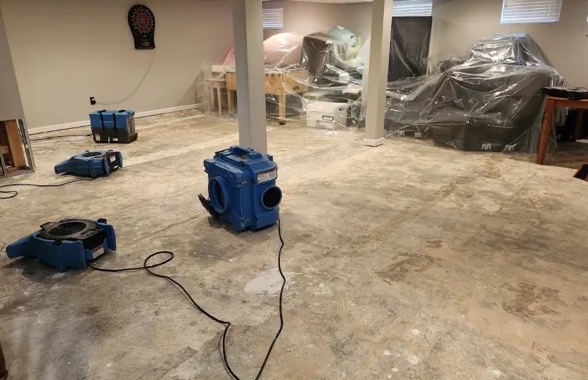
Expert Toxic Odors & Volatile Emissions Services Serving Burlington
Toxic odors and volatile organic compounds in Burlington can come from spills or materials, creating health risks. Persistent chemical smells indicate airborne contaminants. These invisible threats compromise indoor air quality and safety.
Properties in Burlington and nearby areas like Glen Raven, Graham and Elon face air quality challenges from local sources. Local toxic odor removal pros address chemical odor removal and VOC mitigation with area-suited protocols. Their professional service helps contain emissions before they spread.
Toxic Odors & Volatile Emissions Services Methods Available in Burlington
Toxic Fume Cleanup
Toxic fume cleanup handles accidental releases from chemicals. For properties in Burlington, the pros often uses negative air machines and chemical absorbents.
VOC Mitigation Services
In Burlington, VOC mitigation services address the invisible threat from building products and furnishings. The process includes air testing and continuous purification to remove gaseous contaminants, creating a safer breathing environment for occupants.
Volatile Emission Source Removal
This service extracts the source of volatile organic compounds. Local toxic odor removal pros follow strict containment and disposal protocols. Eliminating the source ensures long-term air safety. All work is documented with photos.
Airborne Contaminant Cleanup
Airborne contaminant cleanup captures microscopic pollutants like mold spores using HEPA filtration and controlled containment in Burlington. This prevents redistribution during cleaning.
Chemical Odor Removal
Lingering chemical odors from cleaning products or pesticides demand professional intervention. The pros conduct source identification and use targeted neutralization protocols to eliminate the odor permanently.
Symptoms Suggesting Toxic Odors & Volatile Emissions Services Are Needed
General Malaise at Home
A constant feeling of being unwell or fatigued indoors can be a subtle sign of poor air quality.
Odors That Return After Cleaning
If smells disappear briefly but then return, the source likely requires deep VOC mitigation and air purification.
New or Strange Smells
Sudden onset of unfamiliar odors, like solvents or gases, often signals hazardous gas intrusion requiring immediate investigation.
Smells From HVAC Systems
Foul odors blowing from vents indicate your ductwork may be distributing airborne contaminants throughout the entire building.
How Toxic Odors & Volatile Emissions Services Work in Burlington
Step 1: Initial Containment Strategy
The pros first establish containment barriers to isolate the affected area, preventing the spread of toxic odors during the remediation.
Step 2: Deep Airborne Decontamination
A multi-stage decontamination process using air scrubbers and fogging agents tackles deep-seated airborne contaminants and volatile organic compounds.
Step 3: Structural Deodorization
Surfaces and porous materials are treated to remove embedded odors, completing the industrial odor elimination phase of the service.
Step 4: Client Walk-Through & Documentation
A final walk-through with the client, accompanied by documentation of the work, concludes the toxic odor removal service.
Common Sources of Toxic Odors and VOCs in Burlington
Improper Chemical Storage
Storing fuels, pesticides, or solvents in attached garages or basements leads to gradual toxic fume release over time.
Previous DIY Remediation Failures
Incomplete attempts at odor removal can mask the problem, allowing airborne contaminants to build up to dangerous levels.
Fire or Combustion Residue
Soot and chemicals left after a fire create persistent toxic odors and require specialized toxic fume cleanup.
Decomposing Building Materials
Certain older insulation, adhesives, or treated woods can break down and release toxic smells and hazardous gases.
Complete Toxic Odors & Volatile Emissions Services for All Properties in Burlington
Residential Toxic Odors & Volatile Emissions Services
Residential toxic odor issues often stem from renovation products, fire damage residue, or contaminated groundwater. These smells penetrate fabrics and HVAC systems. The specialists deploy targeted toxic fume remediation to eliminate odors.
Commercial Toxic Odors & Volatile Emissions Services
Commercial facilities like labs or salons use chemicals that create hazardous gases. Lingering odors can drive away customers. Professional VOC mitigation services are crucial for complete odor elimination in Burlington.
Limitations of DIY for Toxic Odors & Volatile Emissions Services in Burlington
Identify and safely remove an obvious source, like an open container, using gloves. Do not attempt large chemical spills yourself. For significant hazardous gas removal or vapor intrusion, the pros in Burlington have the proper equipment.
Pricing Considerations for Toxic Odors & Volatile Emissions Services in Burlington
The investment in vapor intrusion remediation varies based on the depth of the contamination source, the structural adaptations needed for mitigation, and the advanced air scrubbing technology deployed by the specialists.
Vapor Intrusion Complexity
Addressing subsurface vapor intrusion requires specialized diagnostics and mitigation systems, making it a more involved and costly remediation scenario.
Remediation Equipment Required
The need for industrial-grade air scrubbers, hydroxyl generators, or ozone machines for odor elimination services affects the operational cost of the job.
Containment and Safety Protocols
Creating sealed containment zones and using protective gear for toxic fume cleanup ensures safety but adds to material and procedural costs.
Does Insurance Cover Toxic Odors & Volatile Emissions Services?
Insurance for VOC mitigation services is not automatic. Coverage often requires a covered cause of loss. The pros document the scene to support your case. Your insurance company makes the decision.
Advantages of Local Pros for Toxic Odors & Volatile Emissions Services
IICRC-Standard Decontamination Protocols
Local pros adhere to industry-standard methods for volatile organic compound cleanup, ensuring a systematic approach to neutralizing toxic odors and gases.
Comprehensive Air Quality Testing
Initial and post-remediation testing identifies specific VOCs and verifies that indoor air purification has successfully restored a safe breathing environment.
Advanced Air Scrubbing Technology
Specialized equipment like HEPA air scrubbers and hydroxyl generators is deployed to purify indoor air and remove hazardous airborne contaminants effectively.
Urgent Toxic Odors & Volatile Emissions Services Whenever You Need It in Burlington
For a toxic gas leak or severe chemical odor in Burlington, call (336) 594-2415 now. The experts are on standby 24/7 to respond.
Call Now (336) 594-2415Local Toxic Odors & Volatile Emissions Services Serving Burlington and Surroundings
Other places served are listed below, each with its own page.
- Toxic Odors & Volatile Emissions Services in Glen Raven
- Toxic Odors & Volatile Emissions Services in Graham
- Toxic Odors & Volatile Emissions Services in Elon
- Toxic Odors & Volatile Emissions Services in Haw River
- Toxic Odors & Volatile Emissions Services in Alamance
- Toxic Odors & Volatile Emissions Services in Liberty
- Toxic Odors & Volatile Emissions Services in Wallburg
- Toxic Odors & Volatile Emissions Services in Reidsville
Your Toxic Odors & Volatile Emissions Services Questions Addressed
What does indoor air quality testing for VOCs involve?
Testing uses specialized equipment to sample the air, identifying the types and concentrations of volatile organic compounds present. This data guides the targeted remediation strategy for volatile emissions services.
Can I perform VOC mitigation myself?
While improving ventilation helps, professional VOC mitigation services are recommended for significant contamination. Pros have the equipment to safely contain, remove, and verify the elimination of hazardous gases.
Is industrial odor elimination different from residential cleanup?
Industrial odor elimination often deals with higher concentrations, more complex chemicals, and larger spaces, requiring more powerful commercial air scrubbing equipment and sometimes different containment protocols.
How long does chemical odor removal typically take?
The timeline varies based on the contamination's severity and source. Simple odors may take a day, while complex vapor intrusion mitigation or industrial chemical cleanup can require several days of air purification.
What are common signs of a toxic fume problem?
Signs include persistent chemical smells, sudden onset of headaches or dizziness among occupants, visible chemical residue, or a known history of spills or industrial activity on or near the property.