Burlington, NC · Alamance County
Smoke Damage Assessment in Burlington, NCSmoke Odor Source Detection & Smoke Residue Testing
Smoke Damage Assessment in Burlington covers smoke odor source detection, HVAC system smoke contamination check and emergency smoke damage tarping.
Answered 24/7
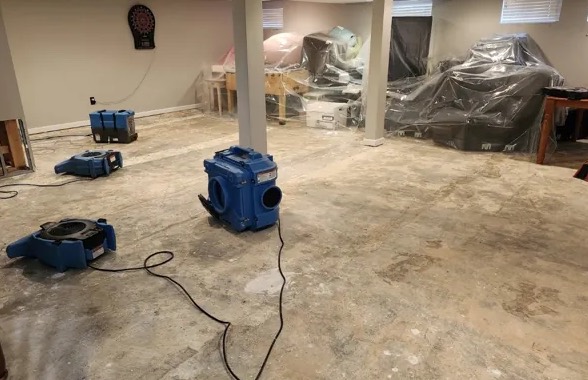
Local Smoke Damage Assessment for Burlington Homes and Businesses
Smoke damage in Burlington homes often spreads far beyond the room where the fire started. It leaves oily residue on surfaces and odors that are hard to remove, so the assessment covers the whole house.
Homes in Burlington and nearby areas like Glen Raven, Graham and Elon often need a detailed assessment after smoke damage. Local smoke odor experts evaluate soot on contents, the structure and air quality, including odor sources and HVAC systems, to plan a full recovery.
Detailed Smoke Damage Assessment Process in Burlington, NC
Smoke Odor Source Detection
Hidden sources often include residue in wall cavities and attics. Pros test different areas so the odor does not return weeks later.
Smoke Residue Testing
Pros check pH and chemical content, not just appearance, to plan cleaning that will not cause damage and to find residue hidden in vents.
HVAC System Smoke Contamination Check
Pros check heating and cooling ducts for soot, since the system can spread smoke to rooms the fire never reached.
Structural Smoke Inspection
The inspection maps smoke in wall cavities, framing and ductwork, where hidden contamination causes lasting odors.
Post-Fire Surface Damage Evaluation
Cabinets, countertops and wood floors react differently to smoke. Local pros in Burlington choose the right method for each material.
Signs of Smoke Damage Requiring Assessment in Burlington
Visible Soot or Yellowing on Walls
Black or yellow stains and streaks on walls and ceilings show smoke residue has settled there.
Smoke Odor Returns After Cleaning
A smoke smell that returns soon after cleaning means the source is deeper in the house.
Unusual Irritation or Respiratory Issues
Coughing, itchy eyes or breathing trouble at home can point to smoke in the indoor air.
Smoke Stains on Air Vents
Dark streaks around supply and return vents mean smoke has moved through the ductwork.
How Smoke Damage Assessment Works in Burlington
Step 1: Initial Site Safety and Containment
Pros make sure the site is safe and contain smoke-affected zones to prevent cross-contamination.
Step 2: Comprehensive Smoke Damage Mapping
Every room is inspected to map where residue removal and odor treatment are needed.
Step 3: Content Inventory and Categorization
Contents are listed and sorted by soot level to plan the work and support your claim.
Step 4: Detailed Assessment Report Generation
Findings go into a detailed report with photos that sets the scope of cleanup.
Events That Necessitate a Smoke Damage Assessment
High Heat Driving Smoke Into Materials
High heat forces smoke particles into the smallest pores of walls, floors and furniture.
Water Used During Firefighting
Firefighting water mixes with soot and spreads stains and residue further through the house.
Synthetic Material Combustion
Burning plastics, vinyl or foam releases acidic soot that can etch and stain surfaces.
Improper Post-Fire Ventilation
Poor ventilation after a fire lets residue settle and bond more firmly to surfaces.
Residential and Commercial Smoke Damage Assessment in Burlington
Residential Smoke Damage Assessment
At home, pros check bedrooms and living areas, fabrics, electronics and cabinets to set the scope of cleaning and odor removal.
Commercial Smoke Damage Assessment
In stores and offices, the assessment documents damage to floors, fixtures and inventory for insurance and plans cleanup with minimal downtime.
Calling Smoke Odor Experts for Your Smoke Damage Assessment in Burlington
For light smoke exposure, open windows and run fans to move smoky air out, and wipe hard surfaces like counters with mild detergent. If odors stay or you see soot stains, call the pros for a professional assessment.
Smoke Damage Assessment Cost Considerations in Burlington
The cost of an assessment in Burlington depends on how far damage spread and how large the area is. Widespread soot usually needs a more detailed evaluation.
Emergency Measures
Emergency tarping done before the assessment is part of the overall cost.
Air Quality Testing
Testing air in several zones adds sampling and lab analysis to the job.
Odor Severity
Strong, lasting odors need advanced detection methods to trace them to the source.
Does Insurance Cover Smoke Damage Assessment?
Insurance may cover the assessment if your policy includes fire damage. The experts document contents and HVAC contamination, and odor removal coverage varies by plan.
Why Choose Local Experts for Smoke Damage Assessment in Burlington
Around-the-Clock Initiation
An assessment from the experts help prevent more damage while cleanup is planned.
Advanced Odor Detection
Specialized tools find the source of lasting smoke smells so treatment targets it.
Structural Integrity Inspection
A structural inspection finds hidden damage in building materials before any repairs.
Emergency Smoke Damage Assessment in Burlington, NC
A fire can leave hidden soot and odor problems. Call (336) 594-2415 any time for an urgent assessment in Burlington so the next steps can be planned.
Call Now (336) 594-2415Smoke Damage Assessment Coverage Area Including Burlington
The places below are also served, and each one has its own page.
Common Smoke Damage Assessment Questions Answered
What follows after the assessment is complete?
You get a detailed report with recommended steps for cleanup, residue removal and odor treatment.
Can smoke damage affect my HVAC system?
Yes. Smoke circulates through ducts, so checking the HVAC system is a standard part of a thorough assessment.
What is post-fire air quality testing?
It samples indoor air for harmful particles and chemicals to confirm the home is safe before people move back in.
What is soot damage assessment for contents?
It checks your belongings for soot to decide which items can be cleaned and which need other attention.
Does assessment include post-fire surface damage evaluation?
Yes. Walls, counters and floors are checked for etching, discoloration and residue that need cleaning or repair.