Greensboro, NC · Guilford County
Mold Structural Damage Restoration in Greensboro, NCMold Contaminated Insulation Removal & Subfloor Mold Remediation
Mold Structural Damage Restoration in Greensboro involves services like HVAC duct mold cleaning, mold damaged flooring removal, and post-remediation structural drying.
Answered 24/7
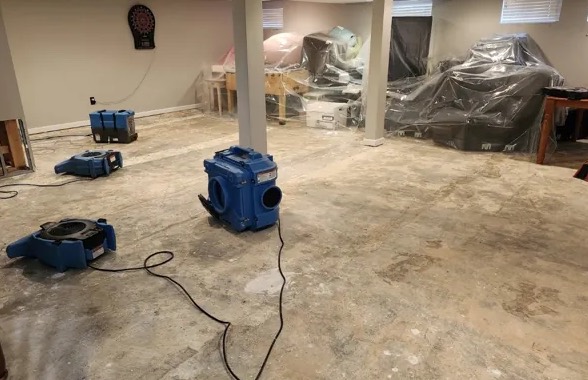
Mold Structural Damage Restoration Experts Serving Greensboro
Structural damage from mold in Greensboro can silently spread through walls and floors, requiring immediate attention to halt deterioration and protect your investment. Black mold removal is often part of the work.
In Greensboro, the work includes removing moldy flooring and drying the structure. Nearby places like Forest Oaks, Pleasant Garden and McLeansville share similar restoration needs. Local water damage restoration experts use IICRC-standard methods for mold remediation and cleanup.
Mold Structural Damage Restoration Services for Greensboro
Mold Contaminated Insulation Removal
Once mold grows in insulation, it cannot be cleaned. The removal process involves establishing containment, extracting the material, and performing a final air scrub of the space to remove lingering particulate.
Subfloor Mold Remediation
Mold under flooring can warp floors. Flooring is pulled up, the subfloor treated and the space dried completely.
Mold Damaged Flooring Removal
Mold-damaged flooring removal is more than a demolition job. It involves identifying the moisture pathway, protecting unaffected areas, and preparing a clean substrate for whatever new flooring you choose.
Emergency Mold Containment Setup
For 24/7 mold emergencies in Greensboro, containment goes up first. The pros isolate the damage before any restoration starts.
HVAC Duct Mold Cleaning
Mold in air ducts spreads spores. Professional cleaning uses specialized brushes and vacuums to remove mold and apply treatment to inhibit regrowth.
Warning Signs You Need Mold Structural Damage Restoration
Condensation on Windows or Pipes
Constant high humidity from condensation promotes mold growth on nearby structural materials and insulation.
Musty Odors in Specific Rooms
A persistent earthy smell often signals hidden mold growth within walls, floors, or HVAC systems.
Allergy Symptoms Indoors
Sudden worsening of coughs, itchy eyes, or congestion at home can be a reaction to mold spores.
Cracking or Splitting Wood Joints
As mold weakens structural wood, joints and supports may start to show physical stress cracks.
How Mold Structural Damage Restoration Works in Greensboro
Step 1: Emergency Response and Evaluation
Upon quick action, the specialists assess the scope of structural damage and plan the mold damage restoration process.
Step 2: Active Mold Growth Removal
Pros physically remove all visible mold colonies and the porous materials they grow on, such as during mold contaminated insulation removal.
Step 3: Antimicrobial Application and Treatment
After removal, approved antimicrobials are applied to remaining structural surfaces to inhibit any residual mold spores from reactivating.
Step 4: Air Quality Clearance Testing
Air samples may be taken afterward to confirm spore counts are safe.
Leading Causes of Mold Structural Damage
Chronic Plumbing Leaks
Slow drips inside walls or under floors provide constant moisture, leading to extensive structural mold damage over time.
Poor Bathroom Ventilation
Shower steam with no exhaust fan leads to moisture buildup on walls and ceilings, encouraging mold.
Flooding From Storms
Stormwater entering a home saturates porous building materials, requiring drying to prevent structural mold damage.
Foundation Water Seepage
Groundwater or poor drainage can wet subfloors and support posts, causing mold in crawl spaces and basements.
Residential and Commercial Mold Structural Damage Restoration in Greensboro
Residential Mold Structural Damage Restoration
A residential mold inspection may reveal growth behind walls from slow leaks. The pros then remove drywall and treat structural wood to reach hidden mold.
Commercial Mold Structural Damage Restoration
Restaurants or hotels need discreet, efficient mold and mildew removal to protect reputation. Experts remove insulation and dry the structure with little disruption to guests or customers.
Mold Structural Damage Restoration vs. DIY: When to Call Local Pros
If a musty smell suggests hidden mold, a homeowner can avoid the area and limit airflow by closing doors to contain spores temporarily. For safe black mold removal, schedule professional testing to find the full extent of the damage.
Cost Considerations for Mold Structural Damage Restoration in Greensboro
The cost of mold structural damage restoration in Greensboro is shaped by the square footage affected and the severity of mold colonization. Materials like framing lumber and drywall also factor into the final estimate.
Extent of Damage
The square footage of mold-compromised structural materials, from a small section to an entire wall system, dictates labor and material needs.
Containment Level
Establishing negative air pressure and sealing off work zones adds to the project scope and required equipment.
Material Type
Costs differ between treating porous wood studs versus non-porous materials, as each requires specific mold removal and restoration approaches.
Does Insurance Cover Mold Structural Damage Restoration?
Insurance coverage for mold structural damage restoration often depends on the source of the moisture. The pros document all damage with photos and moisture readings for a homeowner's claim submission. The final coverage decision rests solely with the insurance adjuster; homeowners should always confirm specifics directly with their provider.
Benefits of Local Pros for Mold Structural Damage Restoration
Clear Scope Communication
You receive a clear explanation of necessary steps, from mold contaminated insulation removal to final repairs.
24/7 Emergency Response
Help is available to set up emergency mold containment and prevent further structural damage spread.
Post-Remediation Verification
A final check confirms spore counts are acceptable after drying and repairs.
Round-the-Clock Emergency Mold Structural Damage Restoration for Greensboro
When structural integrity is threatened by mold, every hour counts. For 24/7 emergency mold removal and drying in Greensboro, call (336) 594-2415. The pros prioritize stopping active mold to protect the property.
Call Now (336) 594-2415Mold Structural Damage Restoration Provided Throughout Guilford County
The places below are also served, and each one has its own page.
- Mold Structural Damage Restoration in Forest Oaks
- Mold Structural Damage Restoration in Pleasant Garden
- Mold Structural Damage Restoration in McLeansville
- Mold Structural Damage Restoration in Jamestown
- Mold Structural Damage Restoration in Browns Summit
- Mold Structural Damage Restoration in Summerfield
- Mold Structural Damage Restoration in Climax
- Mold Structural Damage Restoration in Colfax
Mold Structural Damage Restoration FAQs
Is mold damaged flooring removal part of structural repair?
Yes, moldy wood or laminate flooring is often removed to reach and treat the subfloor.
Can structural wood mold treatment save damaged beams?
If the damage is only on the surface, cleaning and antimicrobial treatment can often save the wood. Badly weakened load-bearing members may need to be reinforced or replaced by a contractor.
What does subfloor mold remediation entail?
It involves accessing the subfloor, assessing damage, removing moldy sections, treating adjacent joists, and installing new subfloor material after structural drying is confirmed.
Why is emergency mold containment setup important?
Containment with plastic sheeting and negative air pressure isolates the work area, preventing mold spores from spreading to clean parts of your home during remediation.
What are signs of structural damage from water damage mold?
Signs include soft or warped wood, sagging floors or ceilings, crumbling drywall, and musty odors, indicating moisture has compromised the material's integrity.