Forest Oaks, NC · Guilford County
Whole-Building Fire & Smoke Odor Removal in Forest Oaks, NCSurface Sealing For Residual Odor & HVAC Duct Smoke Cleaning
Whole-Building Fire & Smoke Odor Removal in Forest Oaks pairs whole-house air scrubbing, HVAC duct smoke cleaning, and fire damaged material removal.
Answered 24/7
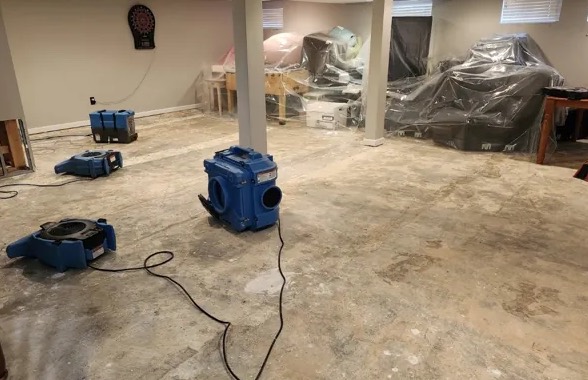
Complete Whole-Building Fire & Smoke Odor Removal for Forest Oaks Homes & Businesses
Smoke travels through wall cavities, ducts, and attics, leaving residue far from the fire. Treating only the rooms that smell worst often lets odor come back later.
For homes in Forest Oaks and nearby Pleasant Garden, Climax and Julian, treating the air alone is not enough because odor binds to surfaces. Local pros clean, deodorize, and then seal porous materials.
Methods for Whole-Building Fire & Smoke Odor Removal in Forest Oaks
Surface Sealing for Residual Odor
After cleaning, local fire odor removal pros seal framing, subfloors, and concrete with an odor-blocking coating so trace odor stays locked in.
HVAC Duct Smoke Cleaning
Supply and return ducts, registers, and the air handler are all cleaned to remove soot and tar that would otherwise circulate.
Thermal Fogging Deodorization
The fog travels the same way smoke did, into wood, drywall, and insulation, which makes it useful for greasy kitchen fire odors.
Electrostatic Soot Removal
Charged cleaning solutions attract soot particles and lift them off walls and ceilings, preparing surfaces for sealing or paint.
Ozone Treatment for Smoke Odor
Ozone treats the full air volume of a room. People, pets, and plants stay out until the space is aired out again.
Indicators That DIY Odor Removal Has Failed
Odor Returns After Opening Windows
When airing out the house does not clear the smell, smoke odor has worked its way into walls, floors, or furniture.
Odor Stronger on Humid Days
A smoke smell that gets stronger on damp days means odor is trapped in porous materials and released when moisture rises.
Soot in Electrical Outlets
Fine soot inside outlets and behind switch plates shows smoke reached into wall cavities, not just room surfaces.
Discolored or Stained Fabrics
Yellowed or grayed curtains, upholstery, or clothing have absorbed smoke and usually need special cleaning to lose the odor.
How Whole-Building Fire & Smoke Odor Removal Works in Forest Oaks
Step 1: Initial Deodorization With Fogging
Smoke odor elimination experts fog the building first, breaking down odor residue on surfaces throughout the structure.
Step 2: Content Decontamination and Cleaning
Salvageable belongings are cleaned, often off-site, with methods suited to each material so soot and odor come out.
Step 3: Whole-Building Air Exchange
Negative air machines and scrubbers exchange the indoor air, pulling out smoky air and replacing it with filtered air.
Step 4: Sealing for Residual Odor Control
Porous framing and subfloors are sealed so any last traces of odor stay locked in place.
What Makes Fire Odor So Difficult to Remove
Residual Oils From Incomplete Combustion
Oily residue from burned materials keeps giving off odor long after the fire is put out.
Inadequate Ventilation During Fire
With windows and doors closed during a fire, smoke stays concentrated indoors and soaks deeper into materials.
Smoke Penetration Into Porous Materials
Smoke odor soaks deep into drywall, wood, and insulation, which then release the smell for months if left untreated.
Contaminated HVAC Ductwork
An HVAC system running during a fire pulls smoky air into the ducts and coats their insides with soot.
Comprehensive Odor Solutions for Any Building
Residential Whole-Building Fire & Smoke Odor Removal
In homes, smoke odor in the HVAC system reaches every room. Pros clean the ducts, use electrostatic soot removal, and treat with ozone while the family is out.
Commercial Whole-Building Fire & Smoke Odor Removal
Commercial buildings have large air volumes to treat. Pros use industrial equipment for air scrubbing, removal of burned material, and sealing across whole floors.
Whole-Building Fire & Smoke Odor Removal vs. DIY Odor Removal Methods
Photograph the damage before cleaning or moving anything, and list affected belongings. Share the photos with your insurer, then leave deodorizing of walls and contents to pros.
Cost Factors for Whole-Building Fire & Smoke Odor Removal in Forest Oaks
Sealing porous surfaces after cleaning adds material and labor, but it keeps any trace odor from coming back later.
Affected Material Types
Porous materials like drywall and upholstery often need special treatment or removal, which adds work.
HVAC System Contamination
Cleaning ducts and HVAC parts adds equipment time and access work to the job.
Severity of Smoke Penetration
Heavy smoke residue needs more cleaning passes and repeat treatments than light surface soot does.
Does Insurance Cover Whole-Building Fire & Smoke Odor Removal?
Coverage depends on your policy and the cause of the fire. The pros document the damage with photos and notes; confirm coverage directly with your insurance provider.
Why Choose Local Pros for Whole-Building Fire & Smoke Odor Removal
Specialized Odor Removal Equipment
Ozone generators, thermal foggers, and HEPA scrubbers are built for odor work that household tools cannot do.
Content Salvage Focus
Belongings are cleaned and deodorized so items that might otherwise be thrown out can often be kept.
Thorough Soot Removal
Electrostatic cleaning removes fine soot from surfaces, which has to happen before deodorizing can work.
24/7 Fire Odor Removal Assistance
Smoke odor gets harder to remove as it sinks into materials. For fire odor removal in Forest Oaks, call (336) 594-2415 for a 24/7 response.
Call Now (336) 594-2415Areas Served for Whole-Building Fire & Smoke Odor Removal
Each place listed below has its own page with local details.
- Whole-Building Fire & Smoke Odor Removal in Pleasant Garden
- Whole-Building Fire & Smoke Odor Removal in Climax
- Whole-Building Fire & Smoke Odor Removal in Julian
- Whole-Building Fire & Smoke Odor Removal in Greensboro
- Whole-Building Fire & Smoke Odor Removal in McLeansville
- Whole-Building Fire & Smoke Odor Removal in Jamestown
- Whole-Building Fire & Smoke Odor Removal in Browns Summit
- Whole-Building Fire & Smoke Odor Removal in Summerfield
Your Whole-Building Fire & Smoke Odor Removal Questions Addressed
How is success measured in fire smoke odor elimination?
Pros check each room for remaining smoke odor after treatment and may use particle counters to confirm the air is clean.
Can fire smells come back after treatment?
They can if treatment is incomplete. Cleaning the ducts and sealing porous surfaces keeps odor from coming back after the work.
What is the first step in smoke damage cleanup?
Pros assess the damage, then remove burned debris and soot-covered materials so deep cleaning can begin.
What materials typically require fire damaged material removal?
Charred wood, melted plastics, contaminated insulation, and anything that cannot be cleaned or is unsafe are removed and disposed of.
Is whole-house air scrubbing run continuously?
Yes. Industrial HEPA scrubbers run for long periods through the cleanup, filtering fine soot and odor particles from the air.