Burlington, NC · Alamance County
Drywall Water Damage Repair in Burlington, NCDrywall Drying Services & Ceiling Water Damage Repair
Get drywall water damage repair in Burlington for emergency drywall water repair, drywall mold prevention and wet drywall removal.
Answered 24/7
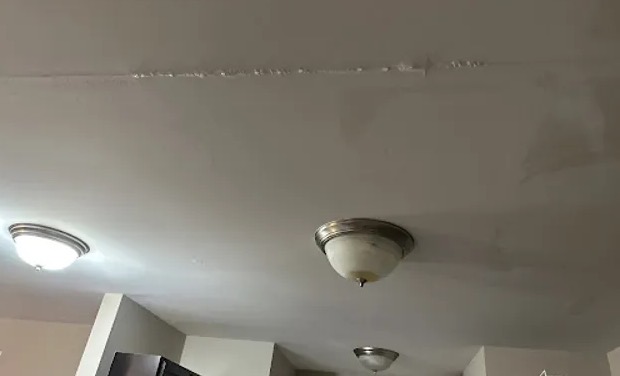
Local Drywall Water Damage Repair for Burlington Residents
Not all wet drywall has to go. In Burlington homes, drywall that got wet from clean water and was caught early can often be dried in place with directed airflow.
Homes and businesses in Burlington and nearby Glen Raven, Graham and Elon see drywall damage from plumbing leaks, roof leaks and appliance overflows. Help with drywall water damage repair covers drying, removal and repair.
Complete Drywall Water Damage Repair Offerings in Burlington
Drywall Drying Services
Small holes near the base of the wall let dry air reach the cavity, drying the studs and back of the drywall.
Ceiling Water Damage Repair
The ceiling cavity is dried along with the insulation and joists, then new drywall is hung and the texture is matched.
Drywall Water Stain Removal
Once drywall is dry, water stains are sealed with a stain-blocking primer and painted, so they do not bleed through.
Emergency Drywall Water Repair
Fast action can mean drying drywall in place instead of replacing it, which keeps repairs smaller.
Drywall Mold Prevention
After drying, studs and the back of remaining drywall can be cleaned and treated with an antimicrobial before the wall is closed.
When to Consider Drywall Water Damage Repair in Burlington
Dripping Sounds Behind Walls
Dripping or trickling sounds inside a wall point to a pipe leak behind the drywall.
Visible Mold
Dark spots on drywall mean it has stayed wet long enough for mold to start.
Soft or Sagging Drywall
Drywall that feels soft or sags has absorbed water and lost strength, and it usually needs to be cut out.
Discolored or Stained Drywall
Discolored patches on drywall, especially near the floor or ceiling, point to a slow leak.
How Drywall Water Damage Repair Works in Burlington
Step 1: Moisture Assessment and Documentation
Photos and readings record the wet area before any drywall is removed.
Step 2: Targeted Drywall Drying
Dehumidifiers and air movers dry the wall, with readings taken every day until normal.
Step 3: Removal of Non-Restorable Drywall
Drywall that stays soft or stained after drying is cut out and bagged.
Step 4: Reinstallation and Cosmetic Restoration
New drywall goes in, and paint is blended so the repair matches the room.
Common Causes of Water Damage in Burlington
Appliance Malfunctions and Overflows
Washers, dishwashers and water heaters leak onto floors and wick water up nearby walls.
HVAC Condensation and Drain Issues
AC drain lines and pans overflow into closets and soak ceilings below attic units.
Siding or Stucco Leakage
Gaps and cracks in siding or stucco let rain into the wall cavity behind the drywall.
Gutter and Downspout Blockages
Clogged gutters overflow down exterior walls, and water can find its way inside.
Both Home and Business Drywall Water Damage Repair in Burlington
Residential Drywall Water Damage Repair
Families can usually use the room again soon after drying, with finishing work done in a day or two.
Commercial Drywall Water Damage Repair
Restaurants and medical offices need drywall work contained behind plastic sheeting to keep dust away from food areas and patients.
Calling Local Pros for Drywall Water Damage Repair in Burlington
Patching a small hole in dry drywall is a fine DIY job. If water got into the wall cavity or insulation, call (336) 594-2415 to have it dried first.
Factors in Drywall Water Damage Repair Cost for Burlington
The cost of drywall water damage repair in Burlington depends on how much drywall got wet, whether it can be dried in place and how much taping, texture and paint work is involved.
Extent of Water Damage
A small damp area costs less to dry and patch than drywall soaked across several rooms.
Material Replacement Scope
The more drywall and insulation that must be replaced, the more material and labor the job needs.
Stain Removal Work
Stains that need sealing, priming and painting add finishing work after drying.
Does Insurance Cover Drywall Water Damage Repair?
Photograph the stained or damaged drywall before repairs begin, and keep receipts for emergency drying, drywall removal and any painting.
Advantages of Hiring Local Pros in Burlington for Drywall Water Damage Repair
Stain Sealing
Stains are sealed with stain-blocking primer after drying, so they do not return.
Leak Source Tracing
The source is found and noted so it is fixed before the wall is closed.
Industry Drying Standards
Drying follows industry water damage standards, with readings taken at every visit.
Urgent Drywall Water Damage Repair for Burlington Properties
Night, weekend or holiday, local drywall water damage pros handle wet drywall in Burlington. Call (336) 594-2415 to get the wall opened, drained and drying.
Call Now (336) 594-2415Drywall Water Damage Repair Service Area for Burlington
Other places served are listed below, each with its own page.
- Drywall Water Damage Repair in Glen Raven
- Drywall Water Damage Repair in Graham
- Drywall Water Damage Repair in Elon
- Drywall Water Damage Repair in Haw River
- Drywall Water Damage Repair in Alamance
- Drywall Water Damage Repair in Liberty
- Drywall Water Damage Repair in Wallburg
- Drywall Water Damage Repair in Reidsville
Common Drywall Water Damage Repair Questions Answered
Can wet drywall be saved, or must it be removed?
Drywall wet from clean water and caught early can often be dried. Soft, sagging or contaminated drywall is removed.
How long does wet drywall repair take?
Drying often takes a few days. Hanging, taping, texturing and painting usually take a few more.
Why is drywall water damage cleanup a multi-step process?
The leak, the cavity and the drywall each need attention in order, or moisture gets sealed inside.
Can I paint over a drywall water stain myself?
Only if the drywall is dry and firm. Use stain-blocking primer first, or the stain will bleed through.
What is drywall mold prevention?
Drying wet drywall and framing quickly, and treating studs that stayed wet with an antimicrobial before the wall is closed.