Lexington, NC · Davidson County
Commercial Water Damage Restoration in Lexington, NCCommercial Ceiling Water Damage & Commercial Mold Prevention
Commercial Water Damage Restoration in Lexington covers warehouse water extraction, office water damage cleanup and commercial carpet drying services.
Answered 24/7
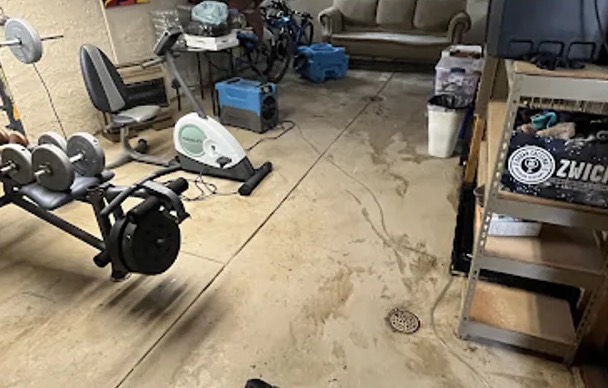
Commercial Water Damage Restoration Solutions in Lexington
Large open spaces in Lexington warehouses and stores need different equipment than a house. High-capacity extractors, large dehumidifiers and many air movers are used to dry slabs and walls in a reasonable time.
In Lexington, many commercial water calls follow roof leaks, sprinkler problems or restroom overflows. Local commercial water removal experts serve Lexington, Thomasville, Wallburg and Clemmons, working to reopen spaces quickly.
Complete Commercial Water Damage Restoration in Lexington
Commercial Ceiling Water Damage
Water above a drop ceiling travels along the grid and ductwork. Tiles are checked across a wide area, not just under the drip.
Commercial Mold Prevention
Humidity is kept in a normal range during drying, which helps stop mold in stockrooms and closed spaces.
Commercial Carpet Drying Services
Carpet tiles that delaminated are pulled and replaced, while sound tiles are dried and left in place.
Office Water Damage Cleanup
Office cleanup works around computers, files and furniture, which are moved or protected before extraction begins.
Restaurant Flood Cleanup
Restaurant floods are extracted with protective gear when drain or grease water is involved, and kitchen surfaces are cleaned and disinfected.
Warning Signs You Need Commercial Water Damage Restoration
Water Pooling Under Equipment
Water pooling under coolers, beverage machines or other equipment points to a leak or drain problem.
Peeling Paint or Wallpaper
Paint or wall coverings that peel or bubble usually have water behind them.
Stained Drop Ceiling Tiles
Drop ceiling tiles that sag, stain or crumble have soaked up water from above.
Swollen or Warped Drywall
Drywall that swells, bows or softens at the base has absorbed water from the floor or a leak.
How Commercial Water Damage Restoration Works in Lexington
Step 1: Commercial Flood Cleanup Assessment
The type of water, affected areas and stock or equipment at risk are recorded.
Step 2: Warehouse Water Extraction and Removal
Racking areas and slabs are pumped and extracted with equipment sized for the space.
Step 3: Office Water Damage Drying
Offices, hallways and carpeted areas are dried around furniture, computers and other equipment.
Step 4: Final Verification and Documentation
Readings, photos and removal lists are compiled for the owner and insurer.
Frequent Sources of Business Water Damage
Appliance or Equipment Failures
Beverage machines, dishwashers, coolers and water heaters leak in kitchens and break rooms.
Foundation Cracks and Seepage
Foundation cracks let groundwater seep into lower floors and slabs during wet weather.
Fire Suppression System Malfunctions
Sprinkler heads and lines can break, leak or discharge, soaking large areas.
Window or Door Seal Failures
Worn seals around storefront glass and doors let rain into sales floors and lobbies.
Commercial Water Damage Restoration for Offices and Stores
Residential Water Damage Restoration
A house usually has one owner and one insurance policy. Drying and repairs follow a simple path once the source is fixed.
Commercial Water Damage Restoration
Multi-tenant buildings may involve the owner, several tenants and several insurers. Each suite is documented separately so claims can be sorted out.
Hiring Local Pros for Commercial Water Damage Restoration vs. Handling It Yourself
Staff can shut off water at the nearest valve, move stock and electronics off the floor and keep customers away from wet areas. Call the experts for anything beyond a small spill.
What Influences Commercial Water Damage Restoration Expenses?
Repairs to roofs, plumbing and building systems are separate from water removal and drying. In Lexington, both are usually needed.
Material Type and Damage
Carpet tiles, drywall, ceiling tiles and wood each take different work to dry or replace.
Content Restoration
Separating, drying and documenting stock and contents adds labor to the job.
Affected Square Footage
Large commercial spaces need more extraction, more equipment and more drying time.
Does Insurance Cover Commercial Water Damage Restoration?
Business interruption claims usually need records of when the damage happened and how long the space was closed. Keep the drying logs and reopening dates.
Benefits of Local Commercial Water Damage Restoration Experts
Clear Communication Process
Owners and managers get plain updates on progress, closed areas and expected reopening.
Structural Drying Expertise
Walls, slabs and ceiling cavities are dried, not just the surfaces customers see.
Industry Drying Standards
Drying follows industry water damage standards, with moisture readings taken at every visit.
24/7 Emergency Commercial Water Damage Restoration in Lexington
Night, weekend or holiday, the experts handle commercial water damage in Lexington. Call (336) 594-2415 to get the water out and drying set up.
Call Now (336) 594-2415Local Commercial Water Damage Restoration Service Area
The places below are also served, and each one has its own page.
- Commercial Water Damage Restoration in Clemmons
- Commercial Water Damage Restoration in Salisbury
- Commercial Water Damage Restoration in Lewisville
- Commercial Water Damage Restoration in Asheboro
- Commercial Water Damage Restoration in Winston-Salem
- Commercial Water Damage Restoration in Mount Airy
- Commercial Water Damage Restoration in Kannapolis
- Commercial Water Damage Restoration in Concord
Common Commercial Water Damage Restoration Questions Answered
Why is quick action critical for restaurant flood cleanup?
Restaurants cannot reopen until food areas are clean, dry and safe, so every hour of delay adds lost business.
What is involved in office water damage repair?
Removing wet ceiling tiles and carpet tiles, drying walls and slabs and protecting computers and files during the work.
What methods are used for warehouse water extraction in large facilities?
Pumps and high-capacity extractors for the slab, plus large dehumidifiers and many air movers for drying.
What are common signs of commercial ceiling water damage?
Stained or sagging drop tiles, drips from the grid or fixtures and musty smells in offices or hallways.
What are the risks of delayed commercial flood cleanup?
Longer closures, more damaged stock and materials, odors and a higher risk of microbial growth.