Greensboro, NC · Guilford County
Attic Water Damage in Greensboro, NCCeiling Water Damage Cleanup & Attic Drying Services
For a storm leak, Attic Water Damage in Greensboro means emergency attic water extraction, roof leak water removal and attic drying services.
Answered 24/7
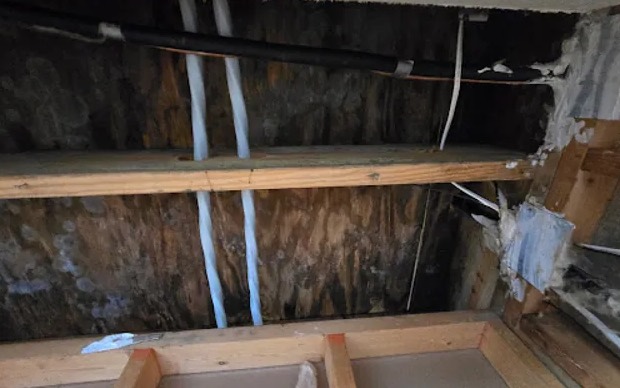
Local Attic Water Damage for Greensboro Homes
Attics hide water well. Insulation absorbs it, wood soaks it up, and nobody goes up there often. In Greensboro, the first sign is usually a ceiling stain, a musty smell upstairs or a drip during heavy rain.
A storm leak in Greensboro can soak attic insulation in one night. Local water removal experts serve Greensboro and nearby Forest Oaks, Pleasant Garden and McLeansville, with help available around the clock.
Detailed Attic Water Damage Solutions
Ceiling Water Damage Cleanup
Damaged ceiling drywall below the attic is removed, the cavity is dried, and the ceiling is ready for patching once readings are normal.
Attic Drying Services
Equipment is placed on boards or platforms in the attic so it can run safely without stressing the ceiling drywall.
Roof Leak Water Removal
A tarp can be placed over the damaged roof section to stop more rain from getting in while drying begins below.
Attic Mold Prevention
After drying, an antimicrobial can be applied to roof decking and framing that were wet, to slow mold on surfaces that stay in place.
Attic Moisture Inspection
Readings are recorded before and during drying, giving you and your insurer a clear record of the attic damage.
Do You Need Attic Water Damage in Greensboro?
Sagging or Bowed Roof Decking
Roof decking that sags or bows between rafters may be soaked or starting to rot.
Water Stains on Ceiling
Brown rings or yellow spots on an upstairs ceiling usually mean water is sitting on the drywall from above.
Dripping Sounds From Ceiling
Dripping or tapping sounds above the ceiling, especially during rain, mean water is getting in.
Peeling Paint or Wallpaper
Paint that bubbles or peels on upstairs ceilings and walls often has water behind it.
How Attic Water Damage Works in Greensboro
Step 1: Initial Assessment and Water Removal
The pros find the source, check safety in the attic and remove standing water and wet debris.
Step 2: Wet Attic Insulation Removal
Soaked batts or blown-in insulation are bagged and removed so the wood and drywall can dry.
Step 3: Targeted Attic Drying Process
Drying equipment is aimed at the wet framing and ceiling, and moved as areas reach normal readings.
Step 4: Sanitization and Mold Prevention
Once dry, decking and rafters that stayed wet can be cleaned and treated with an antimicrobial.
Why Attics Get Water Damage in Greensboro
Burst or Leaking Plumbing Pipes
Supply lines and water heaters in the attic can leak or burst directly onto the ceiling.
Overflow From Bathroom Exhaust Fans
Bathroom fans that vent into the attic, or have disconnected ducts, release moisture onto the decking.
Roof Leaks and Damaged Shingles
Missing, cracked or lifted shingles let rain reach the roof deck and drip into the attic.
Attic Appliance Leaks
AC air handlers in the attic overflow when the condensate line clogs or the pan cracks.
Attic Water Damage for All Property Types in Greensboro
Residential Attic Water Damage
In two-story homes, an attic leak can affect both upstairs ceilings and the walls below them. Each wet area is checked with a meter and dried.
Commercial Attic Water Damage
Flat-roof commercial buildings often have leaks that travel before dripping. The pros trace the water path to find every wet section above the ceiling.
Handling Attic Water Damage: DIY Risks vs. Pro Help
Never step between attic joists, since the ceiling drywall will not hold your weight. If water is pooling up there, call (336) 594-2415 instead of trying to reach it yourself.
Understanding Attic Water Damage Pricing
Each attic water damage job in Greensboro is priced after the attic is inspected. The pros check how far the water spread and explain what will be removed before starting.
Mold Prevention Measures
Antimicrobial treatment of decking and rafters that stayed wet is an added cost.
Affected Attic Materials
Wet insulation, decking and ceiling drywall that must be removed add labor and disposal costs.
Ceiling Repair Needs
Replacing, taping and painting ceiling drywall after drying adds to the total.
Does Insurance Cover Attic Water Damage?
Many homeowner policies cover sudden roof leaks from storms and burst attic pipes, but not damage from worn-out roofing or slow leaks. Read your policy and call your insurer early.
Why Choose Local Pros for Attic Water Damage in Greensboro
24/7 Emergency Response
Help is available day or night when rain or a burst pipe is pouring water into the attic.
Wet Insulation Handling
Wet insulation is bagged and removed carefully, keeping debris out of the living space.
Industry Drying Standards
Drying follows industry water damage standards, with readings taken at each visit.
24/7 Emergency Attic Water Damage in Greensboro
Storm, night or holiday, local water removal experts handle attic leaks in Greensboro. Call (336) 594-2415 to get the water out and drying started.
Call Now (336) 594-2415Attic Water Damage Throughout Guilford County
Need attic water damage outside Greensboro? Service also covers Forest Oaks, Pleasant Garden and McLeansville, including emergency help during storms.
Attic Water Damage Information and Answers
Is attic mold prevention always needed after water damage?
Fast drying is always needed. Antimicrobial treatment is added when wood stayed wet long enough to need it.
Does a roof leak always cause attic mold growth?
No. Mold is more likely when wood and insulation stay wet for days, so drying is the main way to prevent it.
How is attic water damage documented?
With photos of the leak point and damage, moisture readings, a list of removed materials and daily drying logs.
How long does the attic drying process take?
Often several days, depending on how wet the wood is, the attic temperature and how much insulation was removed.
Can wet attic insulation be saved after a leak?
Lightly damp insulation sometimes dries, but soaked or matted insulation is usually removed and replaced after the attic is dry.