Clemmons, NC · Forsyth County
Attic Water Damage Restoration in Clemmons, NCWet Attic Insulation Removal & Attic Moisture Inspection
Attic Water Damage Restoration in Clemmons runs from roof leak water removal and attic leak water cleanup to attic drying services.
Answered 24/7
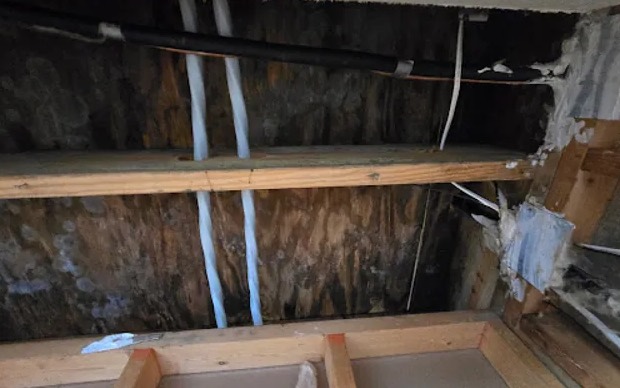
Professional Attic Water Damage Restoration in Clemmons, NC
Attics hide water well. Insulation absorbs it, wood soaks it up, and nobody goes up there often. In Clemmons, the first sign is usually a ceiling stain, a musty smell upstairs or a drip during heavy rain.
Homeowners in Clemmons can call (336) 594-2415 day or night when water is dripping from the ceiling. Service also covers Lewisville, Winston-Salem and Wallburg, with the same attic inspection and drying process.
Detailed Attic Water Damage Restoration Solutions
Wet Attic Insulation Removal
Insulation that stayed wet for days is removed rather than dried, since it rarely recovers and keeps the ceiling drywall damp.
Attic Moisture Inspection
Moisture meters and thermal cameras check decking, rafters, insulation and the ceiling below to find every wet area.
Attic Drying Services
Attic drying targets the wood framing and the ceiling below, with readings taken until both return to normal levels.
Attic Leak Water Cleanup
After a leak, the attic is checked from the roof deck down to the ceiling below, and all standing water and soaked debris are taken out.
Attic Mold Prevention
After drying, an antimicrobial can be applied to roof decking and framing that were wet, to slow mold on surfaces that stay in place.
Signs of Attic Water Damage in Clemmons Homes
Visible Mold in Attic
Dark spots on roof decking or rafters mean the wood has stayed damp for some time.
Musty Odors in Home
A musty or damp smell on the upper floor can point to wet insulation or wood in the attic.
Active Leak During Rain
Water dripping into the attic during rain shows an active roof leak that needs fixing and drying.
Sagging or Bowed Roof Decking
Roof decking that sags or bows between rafters may be soaked or starting to rot.
How Attic Water Damage Restoration Works in Clemmons
Step 1: First Call and Inspection
The pros check the attic and ceiling, take photos and note where the water entered the attic.
Step 2: Bulk Water and Debris Removal
Standing water, wet insulation and fallen drywall are removed from the attic and room below.
Step 3: Drying and Monitoring
Readings are taken daily, and equipment is adjusted until every wet material is dry.
Step 4: Detailed Reporting for Insurance
A summary of the damage, the materials removed and the drying results is prepared for your claim.
What Causes Attic Water Damage in Clemmons?
Attic Appliance Leaks
AC air handlers in the attic overflow when the condensate line clogs or the pan cracks.
Failing Roof Valley or Flashing
Worn flashing around valleys, chimneys and skylights lets water run into the attic.
Burst or Leaking Plumbing Pipes
Supply lines and water heaters in the attic can leak or burst directly onto the ceiling.
Improperly Sealed Roof Penetrations
Gaps around vents, pipes and antennas that pass through the roof let water in when seals fail.
Residential and Commercial Attic Water Damage Restoration in Clemmons
Residential Attic Water Damage Restoration
In two-story homes, an attic leak can affect both upstairs ceilings and the walls below them. Each wet area is checked with a meter and dried.
Commercial Attic Water Damage Restoration
Flat-roof commercial buildings often have leaks that travel before dripping. The pros trace the water path to find every wet section above the ceiling.
Attic Water Damage Restoration vs. DIY: When to Call the Pros
You can check the attic with a flashlight for wet insulation and dripping water if it is safe to do so. Removing soaked insulation and drying the framing takes equipment, protection and safe footing.
Understanding Attic Water Damage Restoration Pricing
Each attic water damage restoration job in Clemmons is priced after the attic is inspected. The pros check how far the water spread and explain what will be removed before starting.
Required Drying Time
Dense wood framing can take several days to dry, adding equipment time.
Affected Attic Materials
Wet insulation, decking and ceiling drywall that must be removed add labor and disposal costs.
Type of Water Involved
Clean rainwater is simpler to handle than water from a drain or a contaminated source.
Does Insurance Cover Attic Water Damage Restoration?
Take photos of the ceiling, the attic and any storm damage on the roof before cleanup starts. Keep receipts for tarping and emergency drying.
The Value of Local Attic Water Damage Restoration Experts
Roof Leak Location
The leak point is marked and photographed so the roofer can fix the right spot.
Ceiling Damage Mitigation
Sagging ceiling drywall is drained and removed safely before it can fall.
Industry Drying Standards
Drying follows industry water damage standards, with readings taken at each visit.
24/7 Emergency Attic Water Damage Restoration in Clemmons
Water dripping from your ceiling in Clemmons? Put a bucket under it, move belongings and call (336) 594-2415. Help for attic leaks is available 24/7.
Call Now (336) 594-2415Local Attic Water Damage Restoration Coverage Area
The places below are also served, and each one has its own page.
- Attic Water Damage Restoration in Lewisville
- Attic Water Damage Restoration in Winston-Salem
- Attic Water Damage Restoration in Wallburg
- Attic Water Damage Restoration in Lexington
- Attic Water Damage Restoration in Walkertown
- Attic Water Damage Restoration in Eden
- Attic Water Damage Restoration in Mebane
- Attic Water Damage Restoration in Ruffin
Attic Water Damage Restoration FAQs
What is structural drying for an attic?
Drying the rafters, joists and roof decking with directed airflow and dehumidifiers until moisture readings return to normal.
What causes attic leaks besides storms?
Worn flashing, clogged gutters, attic AC overflows, plumbing leaks and bathroom fans venting into the attic.
What equipment is used for attic water removal?
Wet vacs, air movers, dehumidifiers, moisture meters and thermal cameras, plus bags and HEPA vacuums for insulation removal.
What are common signs of poor attic ventilation?
Damp or dark roof decking, rusted nails, musty smells and condensation on the underside of the roof.
What are the first steps after finding attic water damage?
Catch active drips, move belongings out of the room below, keep away from sagging ceilings and call for an inspection and water removal.